
Finding legal CBD gummies for pain relief in Canada means understanding one crucial fact: you can only purchase these products from provincially licensed cannabis retailers. Unlike the U.S. or unregulated online markets, Canada restricts CBD sales to the same channels as THC products, whether you’re looking for gummies with CBD alone or combined formulations.
I spent months navigating this system when chronic back pain sent me searching for alternatives, and I learned quickly that the straightforward advice matters most. Visit your provincial cannabis retailer’s website or use the national Cannabis Council locator to find licensed stores in your area. Each province operates differently. Ontario residents shop through the OCS online or authorized retail locations, while British Columbia uses a mix of government and private stores accessible through the BC Cannabis Stores system.
Why do people seek CBD gummies specifically? Many users report finding relief from inflammation and discomfort, though it’s important to understand that CBD products in Canada cannot legally make therapeutic claims. Research into CBD’s potential anti-inflammatory properties continues, but these products are regulated as cannabis, not medicine.
The reality check: availability remains inconsistent across retailers in 2026. Some stores stock multiple CBD gummy options while others carry limited selections. Call ahead or check online inventories before visiting physical locations. Licensed retailers guarantee product safety, accurate labeling, and compliance with Health Canada standards, something you won’t find through unlicensed websites or social media sellers.
Expect to show government-issued ID proving you’re 19 or older (18 in Alberta and Quebec). This system protects consumers but requires patience in finding the right product for your needs.
The Current State of CBD Gummies in Canada: What’s Legal and What’s Not
Right now, if you want CBD gummies in Canada, you need to buy them through provincially licensed cannabis retailers. That’s it. There’s no other legal option, no matter what you might see advertised elsewhere.
Under the Cannabis Act, CBD products, including gummies, are classified as cannabis, even when they contain little to no THC. This means they follow the same rules as recreational cannabis. You’ll find them at the same stores that sell other cannabis products, both physical locations and provincially authorized online retailers. These are the only legal sources.
Why can’t you just pick them up at a health food store or order them from a supplement website? Because right now, CBD not authorized as NHPs (natural health products) in Canada. There’s no legal pathway for CBD to be sold as a wellness supplement or natural remedy, even though many people use it specifically for pain relief and other health concerns.
This creates a strange situation for consumers. You’re looking for a product to help manage pain, but you have to navigate the cannabis retail system to get it. The products available through licensed retailers vary widely in CBD concentration, quality, and formulation. Some contain only CBD, while others include small amounts of THC or other cannabinoids.
I’ve found this regulatory setup confusing, especially when I first started exploring CBD options. You’ll see plenty of websites and shops advertising CBD products, but if they’re not licensed cannabis retailers, they’re operating outside the law. That matters for quality control, product testing, and your legal protection as a consumer.
Health Canada is currently consulting on a proposed framework that would eventually allow CBD health products without a prescription, potentially regulated under the Natural Health Products Regulations. But that’s still in the consultation phase as of 2026. Until those regulations actually change, the licensed cannabis retail system remains your only legal avenue for purchasing CBD gummies in Canada.
Where You Can Actually Buy CBD Gummies for Pain Relief Right Now
Physical Cannabis Retailers in Your Province
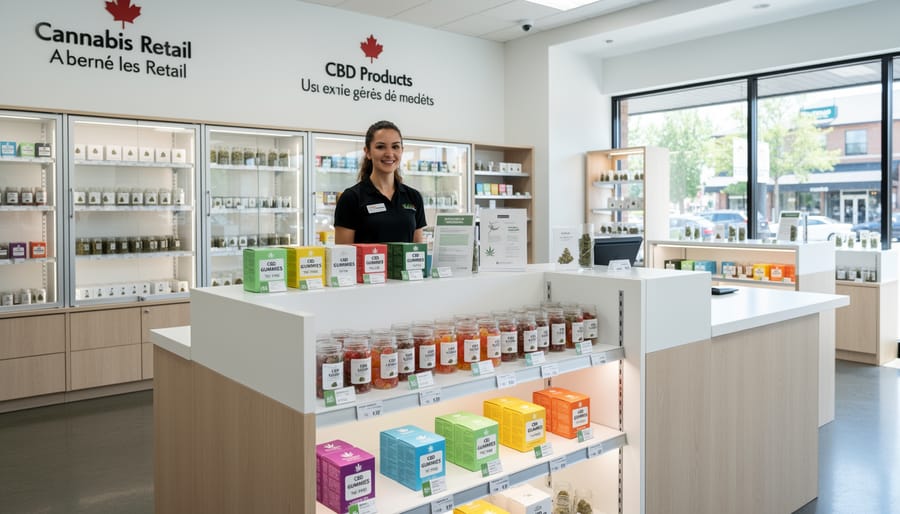
Finding a licensed cannabis retailer near you is straightforward, though the process varies by province. Most provincial governments maintain online directories where you can search by postal code or city. In Ontario, for example, the Ontario Cannabis Store website lists all authorized retailers with addresses and contact information. British Columbia uses a similar system through its provincial regulator. I’ve found these directories reliable and regularly updated, though calling ahead can save you a trip if you’re looking for specific CBD products.
Walking into a physical cannabis store gives you immediate access to products and, more importantly, knowledgeable staff. When I first started exploring CBD gummies for pain management, I had questions about concentration, terpene profiles, and whether full-spectrum or isolate made more sense for my needs. The budtender spent twenty minutes walking me through their selection, explaining lab results, and discussing what other customers reported. You can’t get that level of guidance shopping online.
The selection varies considerably between stores. Some carry a dozen CBD gummy options while others stock only two or three. Physical retailers let you compare packaging, read ingredient lists, and examine third-party lab results before purchasing. You’ll leave with your product immediately rather than waiting for shipping, which matters when you’re managing discomfort. Prices at brick-and-mortar locations tend to run slightly higher than online options, but the expert guidance and immediate access often justify the difference, especially for first-time buyers navigating this regulated market.
Legal Online Options for CBD Gummies
Every Canadian province operates its own authorized online cannabis retailer, and these platforms are currently your only legal option for purchasing CBD gummies online. The system works differently than typical e-commerce. You’ll need to verify your age, usually through government-issued ID, and shipping is handled through secure courier services that require adult signature upon delivery.
The major provincial platforms include the Ontario Cannabis Store (OCS), BC Cannabis Store, SQDC in Quebec, and the Alberta Cannabis website. Each province controls its own inventory and pricing, so you might notice different product selections depending on where you live. Most sites let you browse products without creating an account, which helps when you’re comparing options.
Shipping timelines vary but typically run three to five business days. Some provinces offer expedited delivery for an additional fee. The packaging arrives discreetly, without cannabis imagery, though you’ll still need to sign for it. One practical advantage: many provincial sites provide detailed product information, including exact CBD and THC concentrations, terpene profiles, and customer reviews. This transparency beats what you’ll find shopping from unlicensed online sellers.
For people living in rural areas or communities without nearby physical retailers, these provincial platforms solve a real accessibility problem. I’ve found the search filters particularly helpful. You can narrow results by CBD concentration, price range, or format. The downside? Selection remains limited compared to what you might see in other markets, and prices reflect the regulated nature of the system. Still, if you’re seeking legal CBD gummies and can’t easily reach a storefront, your provincial online retailer provides a straightforward, legitimate purchasing path.
What to Look for When Shopping for Pain Relief CBD Gummies
When you’re standing in front of a display case at a licensed cannabis retailer, the sheer variety of CBD gummies can feel overwhelming. I’ve been there, staring at dozens of options, wondering which actually matters for what I’m looking for. Here’s what I’ve learned to focus on when evaluating products.
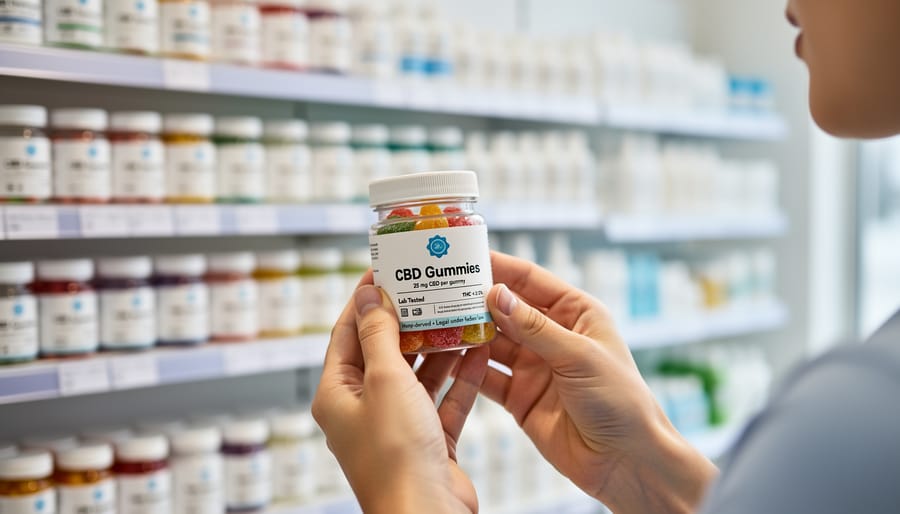
CBD concentration is your first checkpoint. Products typically range from 2.5mg to 25mg per gummy, and this matters more than you might think. If you’re new to CBD, starting around 5-10mg gives you room to gauge your response without committing to a high dose. I’ve found that many people seeking pain relief eventually settle around 15-25mg, but everyone’s different. The label should clearly state the CBD content per piece, not just per package.
Full-spectrum versus CBD isolate is worth understanding, even though the science is still evolving. Full-spectrum products contain other cannabinoids and terpenes from the cannabis plant, which some research suggests might work together more effectively. Isolate products contain only CBD. When I’m comparing best CBD gummies at a retailer, I ask which type they are because this affects not just potential effectiveness but also whether trace THC is present (full-spectrum can contain up to 0.3% THC).
Third-party lab testing separates quality products from questionable ones. Licensed retailers should have access to certificates of analysis showing cannabinoid content, heavy metals, pesticides, and microbial testing. Don’t assume all products are tested equally just because they’re sold legally. Ask to see this documentation, especially if you’re comparing different brands. Some retailers keep these certificates available digitally or can request them from suppliers.
Ingredient quality extends beyond the CBD itself. Check what else is in the gummies. Some contain natural fruit extracts and organic sweeteners, while others rely heavily on artificial flavors and high-fructose corn syrup. I pay attention to additives because I’m putting these in my body regularly, and cleaner ingredient lists generally indicate brands that care about overall product quality. If you’re also exploring CBD oil options you’ll notice similar ingredient considerations apply.
One thing I’ve learned from personal experience: products marketed specifically for pain relief at licensed retailers can’t make therapeutic claims under current regulations, but many people do report benefits. The staff can’t tell you “this will help your pain,” but they can explain what other customers have shared about different products. Individual results genuinely vary based on your body chemistry, the type of discomfort you’re experiencing, and countless other factors.
Price-per-milligram of CBD helps you compare value across products. A package might look cheaper, but if it contains less CBD per gummy, you’re not necessarily getting a better deal.

The Regulatory Changes Coming to Canada: What They Mean for You
Here’s a development that could transform the CBD landscape in Canada. Health Canada seeks consultation on a framework that would allow Canadians to buy CBD health products without going through licensed cannabis retailers. This isn’t a done deal yet, but it represents the first serious movement toward treating CBD differently from recreational cannabis.
The proposal centers on amending the Natural Health Products Regulations to include CBD as a medicinal ingredient. Think of it like how you can currently buy melatonin or fish oil supplements at regular health stores. Under this framework, CBD gummies marketed for wellness purposes could potentially appear in pharmacies, health food stores, and other retail locations where natural health products are sold. The Proposed NHP regulation changes would create a distinct pathway separate from the Cannabis Act, acknowledging that CBD operates differently from THC-containing products.
For those of us who’ve been navigating the licensed cannabis system, this could mean broader access and potentially more product variety. Products might include not just CBD but also other minor cannabinoids like what is CBN which some users combine with CBD for specific effects. The consultation process is examining everything from concentration limits to labeling requirements and quality standards.
What does this mean for you in 2026? Realistically, the wheels of regulatory change turn slowly. The consultation phase needs to conclude, feedback must be reviewed, regulations drafted, and industry given time to comply. Don’t expect this to happen overnight. My guess is we’re looking at late 2026 at the earliest before you see CBD gummies appearing outside cannabis retailers, and 2027 might be more realistic.
In the meantime, the licensed cannabis retail system remains your only legal option. Keep an eye on Health Canada announcements if this matters to you, but don’t wait for regulatory changes to address your immediate needs.
My Experience Finding Quality CBD Gummies in Canada
When I first started looking for CBD gummies in Canada, I thought it would be straightforward. I’d heard friends talk about their experiences with CBD, and I assumed I could just pop into a health store or order online like I would with any supplement. That assumption didn’t last long.
My first stop was actually a local wellness shop that sold vitamins and herbal products. They had a whole section dedicated to hemp-based items, but when I asked about CBD gummies, the owner explained they couldn’t legally sell them. She directed me to the nearest provincially licensed cannabis retailer instead. That conversation was my real introduction to how the Canadian system actually works.
Walking into a licensed cannabis store for the first time felt a bit intimidating, honestly. But the staff were incredibly helpful. I explained I was interested in CBD gummies, and they walked me through what was available. The biggest lesson I learned was to actually read the labels carefully. Some products had CBD-to-THC ratios that weren’t what I expected, and the staff helped me understand the difference between full-spectrum and CBD-isolate options.
One discovery that surprised me was learning about other cannabinoids beyond just CBD. A budtender mentioned how some people also explore CBN for sleep issues, which showed me there’s more variety in the market than I’d realized.
What didn’t work was expecting bargain prices. Licensed products aren’t cheap, and I quickly learned that quality CBD gummies represent an investment. I also discovered that availability varies significantly between stores. Not every retailer stocks the same brands or formats, so calling ahead or checking online menus saved me several wasted trips.
The most valuable insight from my experience is that persistence and asking questions pays off. The licensed retail system isn’t perfect, but working with knowledgeable staff helped me find products that met my needs.

Common Questions About Buying CBD Gummies for Pain Relief in Canada
I get asked these questions constantly by readers trying to navigate Canada’s CBD market, and honestly, they’re all completely valid concerns given how confusing the regulatory situation can be.
Can I legally buy CBD gummies at health food stores or online wellness shops in Canada?
No. Currently, CBD gummies can only be legally purchased through provincially licensed cannabis retailers, not health food stores, wellness shops, or unlicensed online retailers.
How do I verify that a retailer is actually licensed?
Check your provincial cannabis regulator’s website for a list of authorized retailers. In Ontario, that’s the AGCO; in BC, it’s the LCRB. Each province maintains a searchable database of licensed stores and approved online sellers.
What happens if I buy CBD gummies from an unlicensed source?
Beyond the legal risks, you have no guarantee about what’s actually in the product. Unlicensed products aren’t tested for contaminants, potency, or accurate CBD content, which means you could be getting something ineffective or potentially harmful.
Will CBD gummies get me high?
CBD itself won’t get you high but pay attention to the THC content listed on the package. Some products contain minimal THC (under 10mg per package), while others have higher levels that could produce mild psychoactive effects.
Regarding pricing, expect to pay anywhere from $15 to $40 for a package of CBD gummies at licensed retailers, with costs varying based on CBD concentration, package size, and brand. Yes, that’s more expensive than what you’d find at unlicensed online shops, but you’re paying for tested, regulated products with accurate labeling.
For potency, I’ve found that starting low makes sense regardless of your pain management goals. Many licensed retailers carry gummies ranging from 2.5mg to 10mg of CBD per piece. If you’re new to CBD, beginning with lower doses lets you gauge how your body responds before committing to higher-concentration products that cost more.
The trickiest question I hear is about when the proposed regulatory changes will actually happen. Health Canada’s consultation process is ongoing throughout 2026, but there’s no confirmed timeline for when CBD might become available as a natural health product. In the meantime, provincially licensed cannabis retailers remain your only legal option, which isn’t ideal but beats the uncertainty of unlicensed sources.
Here’s the truth about buying CBD gummies for pain relief in Canada right now: your only legal option is provincially licensed cannabis retailers. It’s not the simple shopping experience many people expect, and I wish I could point you to a specific store or website that ships everywhere, but the system doesn’t work that way yet.
That said, things are moving in a more accessible direction. Health Canada’s proposed framework to allow CBD health products under the Natural Health Products Regulations could change everything within the next year or two. If these amendments go through, you’ll likely see CBD gummies in more conventional retail settings, with clearer product information and broader availability.
Until then, work with what’s available. Use the provincial cannabis retailer locator tools I mentioned earlier, talk to knowledgeable staff at licensed stores, and keep your expectations realistic about both availability and what these products can do. Many people report finding relief, but CBD gummies aren’t a miracle cure, and they won’t work the same for everyone.
Most importantly, talk to your healthcare provider about your pain management strategy. CBD gummies might be part of your approach, but they should complement professional medical advice, not replace it. Stay informed about regulatory changes, stick to legal sources, and remember that patience with this evolving market will serve you better than frustration.