
CBD, or cannabidiol, is a compound extracted from cannabis plants that doesn’t produce a high but has gained attention as a potential remedy for pain and inflammation. If you’re searching for relief from arthritis pain, you need to know this upfront: recent clinical evidence doesn’t support the hopeful anecdotes you might have heard.
I understand the appeal. Arthritis pain is exhausting, and when conventional treatments fall short, you look for alternatives. Friends swear by CBD. Online forums overflow with success stories. The logic seems sound: CBD interacts with receptors throughout your body that regulate inflammation and pain perception, so why wouldn’t it work?
Here’s what actually happened in controlled studies. A 2-month randomized controlled trial with 43 people suffering from knee osteoarthritis found CBD oil performed no better than placebo for pain relief. The CANOA trial, a double-blind, placebo-controlled study examining CBD-rich cannabis oil for knee osteoarthritis, included detailed tracking of adverse events, reinforcing that researchers took this question seriously and applied rigorous standards.
That gap between what people report and what clinical trials show is frustrating. I’ve tried CBD myself for various reasons, and I know how tempting it is to attribute improvement to whatever you recently started taking. But our bodies are complicated, and placebo effects are real and powerful, especially for pain.
This article breaks down what CBD actually is, how scientists think it might work, the types of products available, and what you should consider if you’re still thinking about trying it despite the evidence. I’m not here to dismiss your search for relief, just to make sure you have honest information.
What CBD Is and How It’s Supposed to Work for Pain
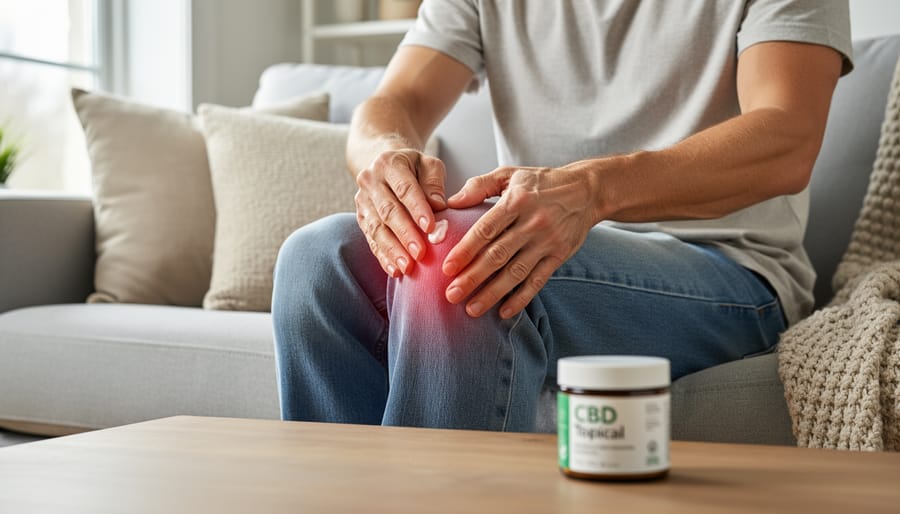
CBD, short for cannabidiol, is one of over a hundred compounds found in cannabis and hemp plants. Unlike its more famous cousin THC (tetrahydrocannabinol), CBD does not cause a high. It’s this non-intoxicating property that’s made CBD increasingly popular among people looking for pain relief without the psychoactive effects associated with marijuana.
- CBD (Cannabidiol)
- A non-intoxicating compound extracted from cannabis or hemp plants, distinct from THC, the psychoactive component of marijuana.
- Endocannabinoid System
- A network of receptors throughout your body (brain, organs, immune cells) that helps regulate pain, inflammation, mood, and other functions.
- Inflammation
- Your body’s immune response to injury or infection, which in arthritis becomes chronic and causes joint pain, swelling, and stiffness.
- Bioavailability
- The amount of CBD that actually enters your bloodstream and reaches target tissues, which varies significantly depending on how you take it.
The theory behind CBD for arthritis centers on your endocannabinoid system, a regulatory network discovered in the 1990s. This system has receptors spread throughout your body that help manage pain signals and immune responses. CBD is thought to interact with these receptors, potentially influencing how your body processes pain and inflammation. Some research suggests CBD may contribute to suppression of immune activation which could theoretically help with inflammatory conditions like arthritis.
People use CBD for arthritis in several forms, and the delivery method matters more than you might think. Topical creams and balms are applied directly to painful joints, with the idea that CBD penetrates the skin to reach underlying tissues. Oils and tinctures go under your tongue for absorption through the mucous membranes. Vapes deliver CBD to your lungs for faster absorption. Capsules and edibles pass through your digestive system, which takes longer but may provide extended effects.
Each method has different bioavailability, meaning different amounts actually reach your bloodstream. Vaping offers the highest bioavailability (around 30-40%), while edibles might be as low as 6-15% due to breakdown in your digestive system. Topicals work differently since they’re meant to act locally rather than entering your bloodstream significantly. This variation in absorption is one reason comparing personal experiences with CBD can be so confusing.
Understanding Arthritis and Why People Turn to CBD
Arthritis isn’t one condition, it’s a family of over 100 different types affecting more than 58 million adults in the United States alone. The two most common forms are osteoarthritis and rheumatoid arthritis, and they work differently but share a brutal common thread: chronic pain that grinds you down day after day.
Osteoarthritis happens when the protective cartilage cushioning your joints wears away over time. Your knees, hips, hands, and spine take the hit. The bones start rubbing together, causing pain, stiffness, and swelling that gets worse as you age or after years of physical stress. Rheumatoid arthritis is an autoimmune disease where your immune system mistakenly attacks the lining of your joints, leading to inflammation, pain, and eventually joint damage. It can strike at any age and often affects multiple joints symmetrically.
Standard treatments help, but they come with limitations. Over-the-counter pain relievers work for mild cases but can cause stomach problems with long-term use. Prescription anti-inflammatories carry risks for your heart and kidneys. Opioids are effective but bring addiction concerns. Disease-modifying drugs for rheumatoid arthritis can take months to work and may suppress your immune system. Physical therapy helps, but it doesn’t eliminate the pain.
That’s where CBD enters the picture. People living with arthritis are desperate for something that might ease their pain without the side effects or risks of conventional medications. They’ve heard CBD is natural, non-addictive, and might reduce inflammation. Some friends swear it helped them. The promise is simple: relief without the downsides they’ve experienced with traditional treatments. When you’re dealing with daily pain that limits what you can do, that promise is incredibly appealing.
What the Research Actually Shows
The Placebo-Controlled Trials
The gold standard for testing whether any treatment actually works is the double-blind, randomized, placebo-controlled trial. In these studies, participants are randomly assigned to receive either the active treatment or an identical-looking placebo, and neither the participants nor the researchers know who got what until the study ends. This design eliminates bias and expectation effects that can skew results.
The recent arthritis studies used exactly this rigorous approach. In the two-month trial with 43 people who had knee osteoarthritis, participants received either CBD oil or a placebo oil that looked, tasted, and felt identical. Researchers tracked pain levels throughout using standardized pain scales, the kind that ask you to rate your pain from zero to ten or describe how much it interferes with daily activities like walking or climbing stairs.
The CANOA trial followed the same double-blind, randomized, placebo-controlled design, studying a CBD-rich cannabis oil specifically in people with knee osteoarthritis. By comparing the CBD group directly against a placebo group under controlled conditions, researchers could isolate whether any improvements came from the CBD itself or from other factors like the placebo effect, natural pain fluctuations, or simply the act of receiving treatment.
The outcome? CBD showed no pain benefit versus placebo. This matters because it means the improvements people experience might stem from expectation rather than the compound itself.
Safety and Side Effects Observed
While the clinical trials didn’t show CBD relieving arthritis pain better than placebo, they did reveal important safety information. The studies tracked adverse events carefully, giving us real data on what participants experienced during several weeks of CBD use.
Most adverse events in the CANOA trial and similar studies were mild to moderate. Participants reported various side effects, though many also occurred in placebo groups at similar rates, which tells us some symptoms might relate to arthritis itself or general life circumstances rather than CBD specifically.
The most commonly noted adverse events included:
- Gastrointestinal issues like diarrhea, nausea, or changes in appetite
- Fatigue or drowsiness, particularly at higher doses
- Changes in liver enzyme levels detected through blood tests
- Mild dizziness or lightheadedness
- Dry mouth and changes in weight
The liver enzyme changes deserve special attention because they signal how CBD interacts with your body’s drug metabolism. This becomes particularly important if you’re taking other medications for arthritis or related conditions. While most participants tolerated CBD without serious problems, the trials showed it’s not side-effect-free, and individual responses vary considerably. Anyone considering CBD should weigh these documented effects against the lack of proven pain relief in controlled studies.
Different Types of CBD Products for Arthritis
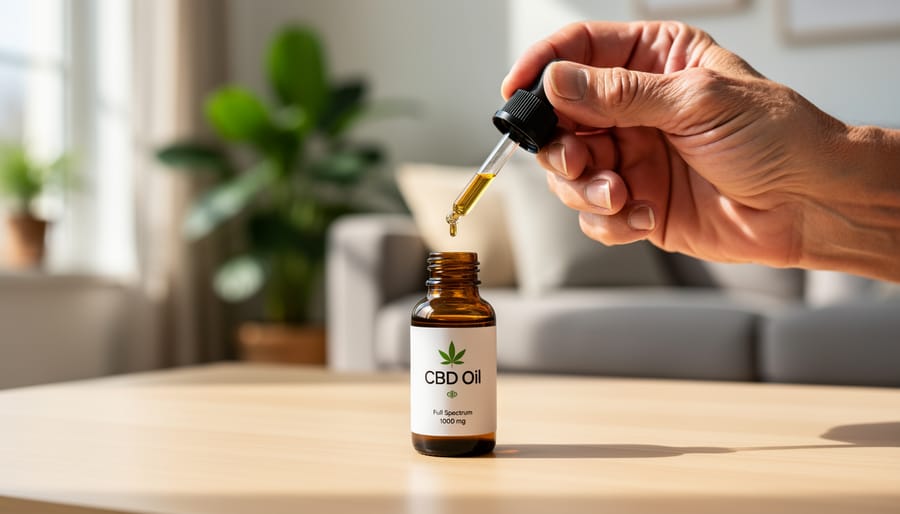
People exploring CBD for arthritis have several delivery methods to choose from, each with its own theory about how it might help. Understanding the differences can help you make an informed choice if you’re considering trying it.
- Topical creams and balms: Applied directly to affected joints, bypassing the digestive system; users say relief feels localized within 15-30 minutes, though absorption through skin layers remains understudied.
- Oils and tinctures: Held under the tongue for sublingual absorption; theoretically enters the bloodstream faster than edibles (10-20 minutes), with more predictable dosing than topicals.
- Vapes: Fastest onset (minutes) due to lung absorption, but raises concerns about respiratory health and isn’t typically recommended for chronic conditions like arthritis.
- Capsules and edibles: Slowest absorption (30-90 minutes) through the digestive system; convenient and discreet, but lower bioavailability means less CBD actually reaches your bloodstream.
In my conversations with readers managing arthritis, topical CBD cream is by far the most popular choice. People like the idea of applying relief directly where it hurts, and many report it “feels like it’s working” on inflamed knees or fingers. The appeal makes sense: rubbing something into a sore joint provides physical comfort regardless of the CBD itself, which may partly explain why users report benefits that clinical trials haven’t confirmed.
For systemic inflammation that affects multiple joints (common in rheumatoid arthritis), some people prefer best CBD oil taken sublingually or CBD gummies for convenience. These methods deliver CBD throughout the body rather than targeting one spot. The trade-off is less predictability: your liver metabolizes oral CBD, reducing how much actually circulates, and individual absorption varies wildly.
Here’s the catch: while we have theories about how these different methods should work and plenty of anecdotal reports, we don’t have solid clinical evidence comparing them for arthritis specifically. The studies that showed no significant benefit tested oils, but that doesn’t necessarily mean topicals or other forms would perform differently. It just means we don’t know.
Why Personal Experiences Don’t Match the Clinical Evidence

If you’ve read stories online about CBD working wonders for someone’s arthritis while clinical trials show no real benefit, you’re probably confused. This disconnect is real, and it deserves an honest explanation rather than dismissal.
The placebo effect plays a bigger role than most people realize. When you spend money on a product you believe will help, take it consistently, and expect relief, your brain can genuinely alter your pain perception. This isn’t “fake” relief, the reduction in suffering is real to the person experiencing it. Placebo responses in pain trials routinely reach 30-40%, which is substantial when you’re dealing with chronic discomfort.
Arthritis pain also fluctuates naturally. You might have a brutal week followed by a better one, regardless of what you’re taking. If you start CBD during a particularly bad flare and improve afterward, it’s tempting to credit the CBD rather than your body’s normal cycle. We’re pattern-seeking creatures who struggle to account for natural variation.
Lifestyle changes often accompany trying something new. When people start CBD for arthritis, they frequently become more mindful of their overall health, sleeping better, moving more gently, reducing stress. These factors genuinely affect pain levels, but they get mentally bundled with the CBD itself.
I’ve also noticed that the ritual matters. Whether it’s applying a topical cream with gentle massage or taking drops under your tongue as part of a calming routine, these actions can provide relief independent of CBD’s pharmacological effects.
None of this means people reporting benefits are wrong or lying. Their experience is valid. It simply explains why personal testimonials, while valuable for understanding the full picture, can’t replace controlled trials when determining whether CBD itself is doing the heavy lifting.
What to Know Before Trying CBD for Arthritis
If you’re thinking about trying CBD for your arthritis, I get it. When conventional treatments aren’t cutting it and the pain’s grinding you down, you want options. But this decision deserves a careful approach, especially given what we now know from clinical trials.
Start with your doctor. I can’t stress this enough. CBD can interact with common arthritis medications including blood thinners, NSAIDs, and certain disease-modifying antirheumatic drugs. Your liver processes many of these medications the same way it handles CBD, which can alter how effectively your prescribed treatments work or increase side effects. This isn’t theoretical concern, it’s documented interaction risk. If you’re on methotrexate, biologics, or corticosteroids, this conversation becomes even more critical.
Set realistic expectations. Recent trials showed CBD oil didn’t outperform placebo for knee osteoarthritis pain after two months of use. That doesn’t mean you won’t feel better, but it does mean you should be honest with yourself about whether any improvement is meaningful or might have happened anyway. Arthritis pain fluctuates naturally, and we’re all susceptible to placebo effects when we’re desperate for relief.
Quality matters enormously in the largely unregulated CBD market. Look for products with third-party lab testing certificates showing CBD content matches the label and that contaminants like heavy metals, pesticides, and residual solvents are absent. The cheapest option is rarely the safest.
Legally, hemp-derived CBD products containing less than 0.3% THC are federally permitted in 2026, though state laws vary. Check your local regulations before purchasing.
Don’t abandon proven treatments. If physical therapy, prescribed medications, or other interventions are helping, CBD should be discussed as a potential addition, not a replacement made without medical input.
The adverse events table from clinical trials shows CBD is generally well tolerated, but side effects can include drowsiness, diarrhea, and appetite changes. Start low, go slow, and track what happens honestly.
Frequently Asked Questions
Here’s what comes up when people search for answers about CBD and arthritis pain. Based on the clinical evidence we’ve covered, here are straightforward responses to the questions I see most often.
Does CBD help with arthritis pain?
Recent clinical trials show that CBD oil did not significantly reduce pain compared to placebo in people with knee osteoarthritis. While many people report relief, the controlled research doesn’t support these anecdotal claims yet.
How much CBD would someone use for arthritis?
The 2-month trial used specific doses that varied by participant weight, but there’s no established effective dose since studies haven’t shown clear pain relief. If you’re considering trying CBD, start low and discuss dosing with your healthcare provider who knows your medications.
Is CBD legal for arthritis?
In 2026, hemp-derived CBD containing less than 0.3% THC is federally legal in the United States, though state laws vary. You can find information on where to buy CBD products, but always verify the legal status and quality testing in your area.
What should you know before trying CBD for arthritis pain?
Talk to your doctor first, especially if you take arthritis medications, as CBD can interact with other drugs. Set realistic expectations based on evidence rather than marketing, and don’t stop proven treatments without medical guidance.
The takeaway from current research is pretty clear: we don’t have good evidence that CBD works for arthritis pain the way many people hope it will. That doesn’t mean research is finished. More studies with larger sample sizes might reveal benefits we haven’t detected yet, or they might identify specific patient groups who respond better than others.
Some people ask about other cannabinoids like CBN and whether combinations might work differently than CBD alone. That’s worth exploring in future research, and you can learn more about what is CBN if you’re curious about the wider cannabinoid landscape. Right now though, we simply don’t have the arthritis-specific evidence to make claims about effectiveness.
I know it’s frustrating when something that sounds promising in theory and seems to help some people doesn’t hold up in controlled trials. Arthritis pain is real and debilitating, and the desire for relief makes complete sense. But basing decisions on solid evidence rather than hope gives you the best chance of finding treatments that actually work for you.
So where does this leave us? The honest answer is that CBD’s potential for arthritis relief remains more theoretical than proven. While the idea of targeting inflammation through the endocannabinoid system makes biological sense, and while plenty of people swear by their CBD routine, recent controlled trials haven’t shown the pain reduction we’d hope to see. That 2-month study with 43 knee osteoarthritis participants found no meaningful difference between CBD oil and placebo, a result that’s hard to ignore, even if it’s not the final word.
I get that this isn’t the answer many people were hoping for. Living with arthritis pain is genuinely tough, and when conventional treatments fall short or bring unwanted side effects, searching for alternatives isn’t just understandable, it’s necessary. The fact that CBD didn’t outperform placebo in these trials doesn’t mean research should stop. We need larger studies, different dosing protocols, various product types, and trials examining other forms of arthritis beyond osteoarthritis.
If you’re considering CBD despite the current evidence, go in with realistic expectations and keep your healthcare provider in the loop, especially if you’re taking other medications. Don’t abandon treatments that are working, and remember that quality matters enormously in an under-regulated market. Your pain is real, your search for relief is valid, and making informed choices, even when the evidence is still developing, is the best path forward.