THCa decarboxylation is the chemical process that converts tetrahydrocannabinolic acid (THCa) into THC when you apply heat, something that happens every time you fire up your vape. If you’re using https://www.exhalewell.com/blog/best-thca-vape/ products or CBD vapes containing trace amounts of THCa, understanding this process helps you control your experience and know exactly what you’re inhaling.
Here’s what matters: THCa itself won’t get you high. It’s the raw, acidic form found in hemp and cannabis plants. But the moment your vape heats that compound above roughly 220°F (105°C), decarboxylation kicks in and converts it to psychoactive THC. For CBD vapers, this raises a practical question: are you accidentally creating THC in your device, and does that change the effects you’re seeking?
I’ll admit, when I first learned about decarboxylation, the chemistry felt intimidating. But once I understood how temperature control on my vape directly influenced which cannabinoids I was actually consuming, everything clicked. You don’t need a degree in chemistry to make informed choices about your vaping setup.
This article breaks down the decarboxylation process in plain terms, explains how different temperatures affect THCa conversion, and gives you practical guidance on selecting products and adjusting your device settings. Whether you’re trying to avoid THC entirely or you’re curious about controlled conversion, you’ll walk away knowing how to vape with confidence and precision.
What THCa Actually Is (Plain-Language Definition)
THCa, short for tetrahydrocannabinolic acid, is a cannabinoid that exists naturally in raw cannabis and hemp plants. If you’ve ever looked at a lab report for a CBD product, you’ve probably seen THCa listed alongside CBD and other compounds. It’s the chemical parent of THC, but here’s the important part: THCa itself won’t get you high.
When cannabis is still growing or freshly harvested, most of what will eventually become THC exists as THCa. Think of it as THC’s dormant form. The “a” at the end stands for “acid,” which refers to an extra molecular group attached to the compound. This extra bit changes everything about how THCa interacts with your body. While THC binds readily to cannabinoid receptors in your brain and produces psychoactive effects, THCa is too bulky to fit those same receptors properly. It’s like trying to plug a three-prong adapter into a two-prong outlet.
To clear up the alphabet soup, here’s what these terms actually mean:
- THCa (Tetrahydrocannabinolic Acid)
- The raw, non-psychoactive form of THC found naturally in living cannabis plants. Contains an extra carboxyl group that prevents it from producing intoxicating effects.
- THC (Tetrahydrocannabinol)
- The psychoactive cannabinoid created when THCA decarboxylates to THC through heat or time. This is the compound responsible for the “high” associated with cannabis.
- CBD (Cannabidiol)
- A separate, non-psychoactive cannabinoid that exists independently in hemp and cannabis. It doesn’t convert from THCa and has its own distinct effects on the body.
- Cannabinoid
- A family of chemical compounds found in cannabis plants that interact with receptors in the human body’s endocannabinoid system.
- Precursor Compound
- A chemical that transforms into another substance through a specific process, like how THCa transforms into THC when heated.
Many people assume CBD and THCa are related or that all cannabinoids follow the same pathway, but that’s not how it works. CBD comes from its own precursor (CBDa) and follows a separate track entirely. THCa specifically converts to THC, which is why understanding this compound matters for CBD vapers who want to avoid even trace amounts of psychoactive effects.
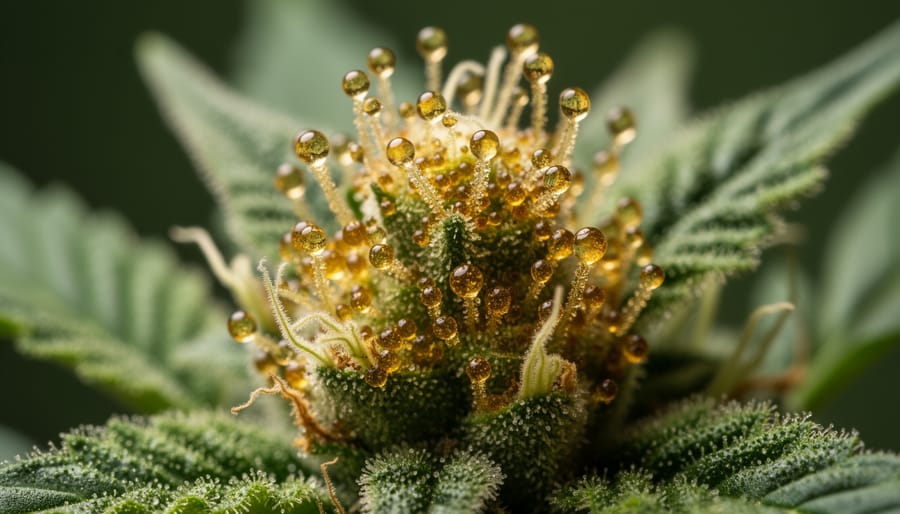
How Decarboxylation Works: The Science Made Simple
What Happens at Different Temperatures
Temperature control transforms decarboxylation from a simple yes-or-no process into a precision tool. When you set your vape pen to 160°C (320°F), you’re hitting the sweet spot where THCa begins converting to THC without destroying the delicate terpenes that give your CBD its flavour and therapeutic benefits. Bump that up to 230°C (446°F), and you’ll achieve near-complete decarboxylation within seconds, but you’re also starting to degrade those same compounds you’re trying to preserve.
Low-temperature vaping (160-180°C) creates a gentler decarboxylation that preserves more of your product’s original profile. You’ll get slower cannabinoid conversion, which means any trace THCa in your CBD vape liquid transforms gradually. This matters because temperature affects cannabinoid stability significantly, higher heat accelerates not just decarboxylation but also oxidation that can turn cannabinoids into less desirable compounds.
High-temperature settings (200-230°C) deliver faster, more complete conversion. Your device heats the liquid quickly, decarboxylates whatever THCa exists almost instantly, and produces bigger vapour clouds. The trade-off? You’re more likely to overshoot and start breaking down CBD itself into CBN, which has different effects entirely.
Most CBD vapers find their ideal zone between 175-190°C, where decarboxylation happens efficiently without cooking off the good stuff.
The Role of Time in the Process
Time plays a surprisingly different role in vaping versus other decarboxylation methods, and understanding this helps explain why your vape pen works so effectively.
In traditional oven decarboxylation, you’re working with sustained moderate heat, typically 220-250°F for 30-40 minutes. This gradual approach allows the chemical reaction to proceed slowly throughout the plant material, ensuring complete conversion without burning. The extended duration compensates for the lower temperature, giving molecules time to shed their carboxyl groups.
Vaping flips this equation entirely. Your device delivers intense heat (350-450°F) to a tiny amount of material for just seconds. The flash heating triggers near-instantaneous decarboxylation at the point of vaporization. There’s no need for extended exposure because the concentrated heat does the work immediately.
This speed difference matters for cannabinoid preservation. Longer heat exposure, even at moderate temps, eventually degrades THC into CBN and breaks down terpenes. Vaping’s brief contact minimizes this degradation, you’re converting and inhaling before significant breakdown occurs.
I’ve noticed this when comparing homemade edibles (where I decarb flower for 40 minutes) to vaping the same strain. The vape delivers a cleaner, more full-spectrum effect because those fragile compounds haven’t had time to degrade.
Different Forms of Decarboxylation in Cannabis Products
Decarboxylation doesn’t just happen in your vape pen. Cannabis and hemp products undergo this transformation in multiple ways throughout cultivation, manufacturing, and consumption. Understanding these different contexts helps you recognize which products have already activated their cannabinoids and which ones rely on heat during use.
The main forms of decarboxylation you’ll encounter include:
- Natural aging, raw cannabis slowly decarboxylates over time through exposure to light, air, and ambient temperature
- Oven or heat decarboxylation, controlled heating at 220-245°F for edibles and tinctures to activate cannabinoids before infusion
- Smoking and combustion, burning cannabis instantly decarboxylates THCa at extremely high temperatures (over 400°F)
- Vaping, moderate heat (320-430°F) triggers rapid decarboxylation during inhalation without combustion
- Commercial extraction, manufacturers may pre-decarboxylate material during CO2 or ethanol extraction processes
Each method produces different results in terms of cannabinoid preservation and potency. Natural aging is unpredictable and slow, often degrading cannabinoids before full conversion. Oven decarboxylation offers precision for products like CBD gummies and baked goods, where manufacturers need consistent activation before the product reaches you. Smoking achieves instant decarboxylation but destroys many beneficial compounds through excessive heat.
Commercial products span the spectrum. Full-spectrum CBD oils might contain both raw and decarboxylated cannabinoids, while CBD isolates have typically undergone complete processing. Raw hemp products marketed for juicing or supplements contain primarily acidic cannabinoids (THCa, CBDa) that won’t activate until you heat them. When you’re shopping, check product descriptions for terms like “activated,” “decarboxylated,” or “raw” to understand what form you’re getting. For vaping specifically, most cartridges and e-liquids contain pre-extracted concentrates where partial decarboxylation occurred during processing, with your device completing the transformation.
THCa Decarboxylation in CBD Vaping: How Your Device Does the Work
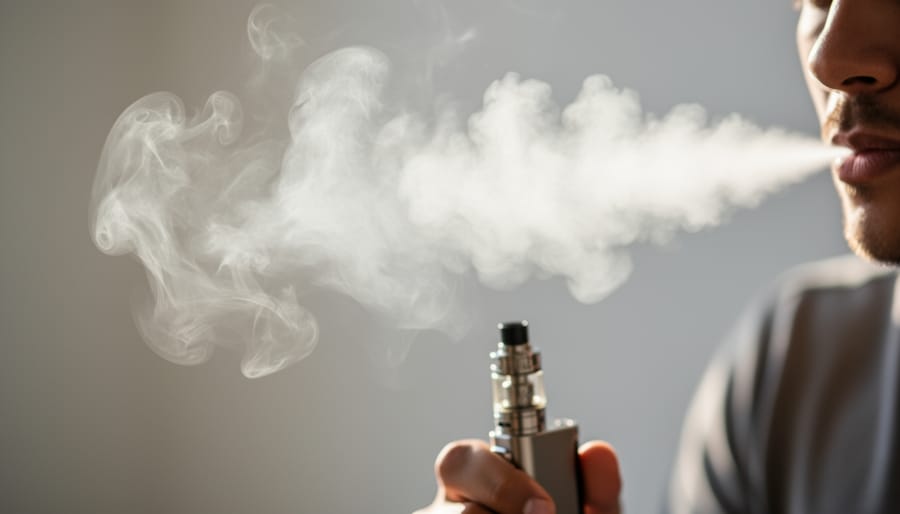
When you press the button on your vape pen, you’re essentially running a miniature chemistry lab in your pocket. The moment your device’s coil heats up, which happens in a fraction of a second, any THCa molecules in your CBD e-liquid begin their transformation into THC. It’s immediate, efficient, and largely invisible to the naked eye.
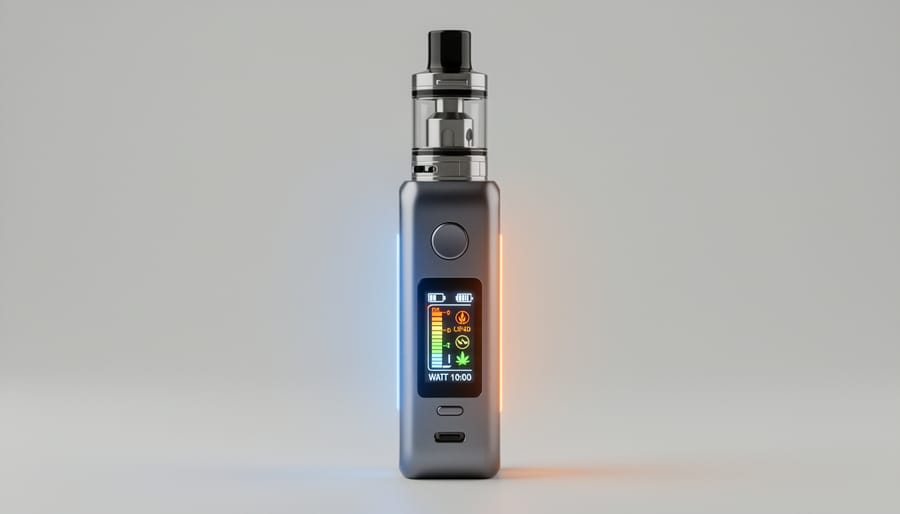
Most modern best vape pens operate in the 315°F to 430°F range, with many devices offering adjustable temperature settings. This range matters because decarboxylation of THCa begins around 220°F but accelerates significantly above 300°F. When you inhale, you’re drawing heated air through CBD oil or e-liquid that’s been vaporized by a ceramic or metal coil. That coil reaches its target temperature within one to three seconds, creating a hot zone where THCa molecules lose their carboxyl group almost instantly.
The process works differently than oven decarboxylation because vaping applies intense, localized heat for mere seconds rather than sustained warmth for minutes or hours. Your coil might reach 380°F, but the cannabinoids only experience that temperature during the brief moment they vaporize and travel through the heating chamber. This flash-heating is actually more efficient for decarboxylation than you might expect, studies show that 70-90% of THCa converts to THC during typical vaping temperatures, even with such short exposure.
I learned this firsthand when I started experimenting with temperature settings on an adjustable device. At 320°F, my CBD vape produced smooth, terpene-rich vapor with a gentler effect. Cranking it up to 400°F created thicker clouds but noticeably altered the experience, likely because I was converting more residual THCa while also degrading some CBD into CBN. The sweet spot varies by product and personal preference, but understanding what’s happening at the molecular level helped me dial in my ideal setting.
Your device essentially completes in seconds what would take 30-45 minutes in an oven, all while you’re inhaling the vaporized result. That’s the practical magic of vaping technology meeting cannabis chemistry.
Why Decarboxylation Matters for CBD Vapers
Getting the Most from Your CBD Products
Understanding decarboxylation transforms how you shop for and use CBD products. Most CBD vape liquids come pre-activated, manufacturers have already heated them to convert cannabinoids into their active forms. These products work immediately when vaped at any temperature. Raw hemp extracts containing unconverted cannabinoids, however, require your device to do the decarboxylation work.
This matters because pre-activated products offer consistency. You get reliable effects regardless of your device settings. Raw or full-spectrum products need proper heat to unlock their potential, which means your vape temperature directly affects what you’re actually getting from each puff.
I’ve found that knowing whether my CBD is pre-activated helps me set realistic expectations. With raw products, I’ll start at 180°C and work up until I feel the effects I want. Pre-activated liquids perform well even at lower temps around 160°C, preserving more terpenes while still delivering converted cannabinoids.
Check product labels for “decarboxylated” or “activated” terminology. If unclear, contact the manufacturer. This simple question determines whether your device temperature is just heating the liquid or actively converting cannabinoids for absorption.
Avoiding Unwanted THC Conversion
Some CBD users specifically want to avoid converting THCa into THC, and they’ve got good reasons. If you’re subject to workplace drug testing, even trace amounts of THC from converted THCa could potentially show up. Others simply prefer to avoid any psychoactive effects, no matter how minimal.
The good news is you can control this conversion through careful temperature management. THCa begins decarboxylating around 220°F (104°C), but the process accelerates significantly above 300°F (149°C). Most vape pens operate between 350-450°F (177-232°C), which means decarboxylation happens rapidly at standard settings.
To minimize THC conversion, keep your device on the lowest effective temperature setting. Many modern vape pens offer adjustable controls, start around 320°F (160°C) and increase only if needed. Lower temperatures slow decarboxylation, giving you more CBD activation while limiting THCa conversion.
Also choose CBD products labeled as THC-free or broad-spectrum rather than full-spectrum. Full-spectrum products contain THCa that will convert during vaping. Broad-spectrum products have THC compounds removed, eliminating the conversion concern entirely.
If avoiding THC is critical for you, consider CBD isolate products instead. They contain pure CBD with zero THCa to convert.
Common Questions About THCa and Decarboxylation
Does All CBD Oil Contain THCa?
Not necessarily. Many CBD products have already undergone decarboxylation during manufacturing, converting any THCa to THC (or degrading it entirely), while others, especially full-spectrum extracts, may retain trace amounts of THCa depending on processing methods and storage conditions.
Can You Vape Raw THCa?
Yes, but it won’t produce intoxicating effects until heat triggers decarboxylation. Raw THCa concentrates or flower vaped at proper temperatures will convert to THC during the heating process, which is exactly what happens in your vape pen’s coil.
Will Decarboxylation in Vaping Get You High from CBD Products?
Highly unlikely with legitimate CBD products. The trace amounts of THCa in compliant CBD vape juice (under 0.3% total THC) convert to such minimal THC levels during vaping that you won’t experience psychoactive effects, though ultra-sensitive individuals might notice something at very high temperatures.
How Do I Know If My Vape Temperature Is Right?
Start around 320-356°F for CBD preservation and work up gradually. If you’re getting harsh vapor or burnt taste, you’re too high; if effects feel weak or flavor is muted, try increasing by 10-degree increments until you find your sweet spot.
Beyond these core questions, many vapers wonder about the relationship between decarboxylation and other cannabinoids. CBD itself also undergoes decarboxylation from its acidic form (CBDa), though this happens at slightly different temperatures than THCa conversion. The same heat that activates trace THCa in your vape juice is simultaneously optimizing your CBD for better absorption. If you’re curious about how heat affects other cannabinoids in your device, learning what is CBN can help you understand the broader degradation process, CBN forms when THC oxidizes and breaks down, often from excessive heat or aging.
Temperature control becomes especially important if you’re transitioning from CBD to cannabis flower or concentrates. A solid vaping weed guide will emphasize how different cannabinoid profiles respond to heat, and the decarboxylation principles you’ve learned here apply directly to THC-rich products as well. The chemistry works the same way, just with different starting ratios of acidic cannabinoids.
One question I get asked frequently: does decarboxylation affect terpenes? Absolutely. Those flavor and aroma compounds are often more volatile than cannabinoids, which is why low-temperature vaping preserves taste while high temps can destroy it. Understanding decarboxylation helps you balance cannabinoid activation with terpene preservation for a better overall experience.
Understanding THCa decarboxylation might sound like chemistry homework, but it’s genuinely one of the most practical things you can learn as a CBD vaper. Once you grasp how heat transforms cannabinoids in real-time inside your device, you’re no longer just pushing a button, you’re actively shaping your experience.
The temperature dial on your vape pen isn’t decoration. It controls whether you’re maximizing CBD activation while keeping THCa conversion minimal, or inadvertently pushing trace amounts of THCa toward psychoactive territory. That knowledge lets you make informed decisions about product selection, device settings, and what to expect from each session.
I’ve found that experimenting with lower temperatures (starting around 320°F and adjusting upward) gives me more control over the process. Your sweet spot will depend on your device, your product, and your personal goals, whether that’s maximum bioavailability, minimal THC conversion, or simply smoother vapor.
Cannabis science can feel overwhelming at first, but each piece you learn makes you a more confident, informed consumer. You’re not just vaping anymore. You’re applying chemistry to create the experience you actually want.