
REM sleep is the dreaming stage of your sleep cycle, typically making up 20-25% of a night’s rest, and it plays a critical role in memory consolidation, emotional processing, and cognitive function. If you’re using CBD for better sleep or considering it, you’re right to wonder whether it might interfere with this vital phase.
I started asking this question myself after a few weeks of vaping CBD before bed. I felt more rested, but something a friend mentioned about THC suppressing dreams got me curious about whether CBD might do the same thing. Turns out, the answer is more nuanced than a simple yes or no, and it depends heavily on what you’re actually using.
The concern isn’t baseless. Research from polysomnographic studies shows that cannabis can affect sleep architecture, particularly when high doses of THC are involved. A randomized trial found that a single oral dose of THC/CBD combination reduced both total sleep time and REM sleep in people with insomnia by a clinically significant amount. That’s worth paying attention to if you’re using combination products.
But here’s where it gets interesting for CBD-only users: the evidence doesn’t show the same consistent REM suppression with isolated CBD that we see with THC-dominant products. The distinction matters tremendously, especially for those of us in the vaping community who often choose pure CBD formulations specifically to avoid THC’s psychoactive effects.
This article breaks down exactly how CBD interacts with your sleep cycle, what the current research actually shows about REM sleep specifically, and how different formulations and delivery methods (yes, vaping included) might produce different results. You’ll walk away knowing whether your current routine is helping or potentially interfering with the restorative sleep you’re chasing.
What REM Sleep Is (and Why It Matters)
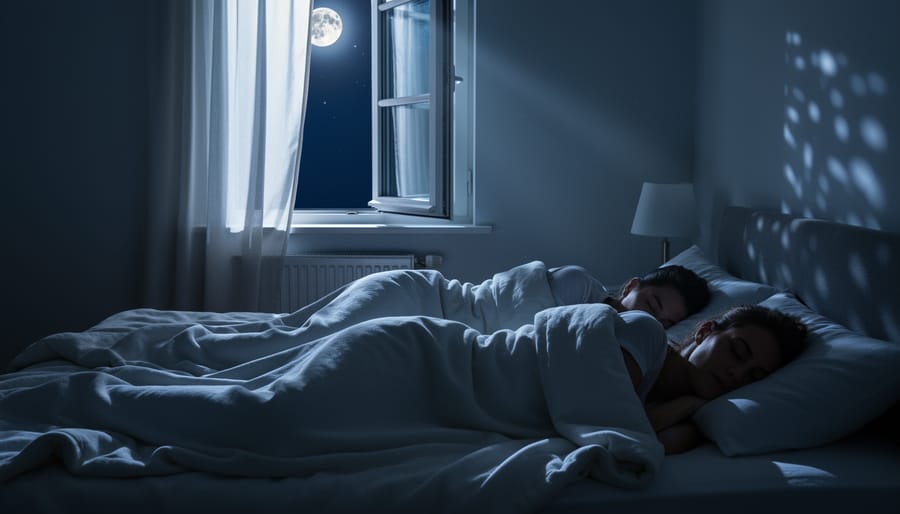
REM sleep, short for rapid eye movement sleep, is the stage of sleep where most vivid dreaming occurs, and it plays a crucial role in how your brain processes emotions, consolidates memories, and maintains overall mental health. If you’ve ever wondered why you wake up from a dream with your heart racing or why certain memories stick while others fade, REM sleep is largely responsible. Your brain is remarkably active during this stage, almost as active as when you’re awake, while your body remains essentially paralyzed to prevent you from acting out those dreams.
Understanding where REM fits into your nightly sleep pattern helps explain why people worry about anything that might interfere with it. Your sleep cycles through several distinct stages throughout the night, each serving different restorative functions:
- REM sleep
- The dream stage characterized by rapid eye movements, increased brain activity, and temporary muscle paralysis. Essential for emotional regulation and memory consolidation.
- Deep sleep (slow-wave sleep)
- The most physically restorative stage where your body repairs tissue, builds bone and muscle, and strengthens the immune system. Brain waves slow to their lowest frequency.
- Light sleep
- The transition stage between wakefulness and deeper sleep where your heart rate slows and body temperature drops. You spend about half the night in this stage.
- Sleep architecture
- The overall structure and pattern of your sleep cycles throughout the night, including the timing and duration of each stage.
You typically cycle through these stages four to six times per night, with REM periods getting progressively longer toward morning. That’s why you often remember dreams from right before you wake up. Most adults spend about 20-25% of their total sleep time in REM, and disrupting this stage can leave you feeling mentally foggy, emotionally frayed, or less sharp even if you got enough total hours of sleep. This matters because some sleep medications and substances are known to suppress REM sleep, which is precisely why people want to know whether CBD might do the same.
How CBD Interacts with Sleep Physiology
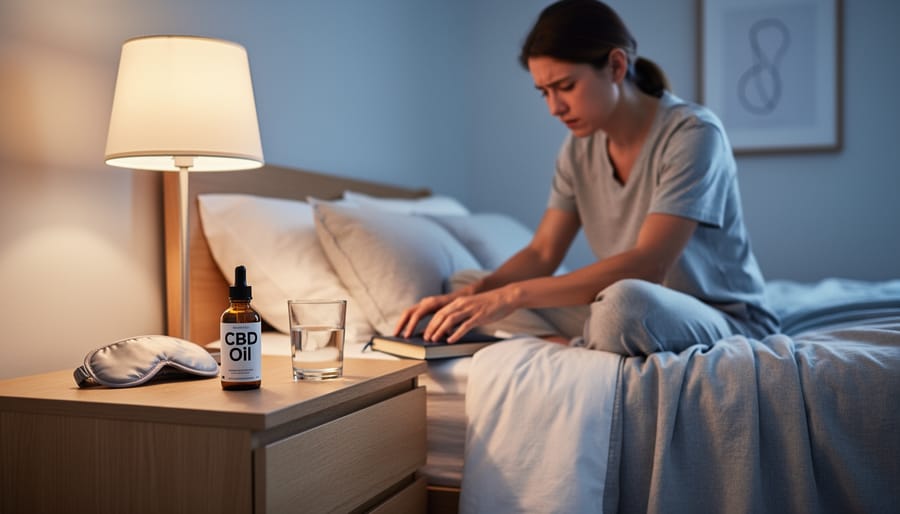
Your body has its own built-in system for managing sleep, mood, and stress, the endocannabinoid system. Think of it as a network of receptors (mainly CB1 and CB2) scattered throughout your brain and body that help regulate everything from appetite to anxiety to, yes, sleep-wake cycles.
CBD interacts with this system, but not in the way you might expect. Unlike THC, which binds directly to CB1 receptors in the brain and creates that “high” feeling, CBD works more subtly. It doesn’t lock onto those receptors. Instead, it influences them indirectly, potentially slowing the breakdown of your body’s natural endocannabinoids and allowing them to work longer. It also interacts with serotonin receptors, which is part of why many people report feeling calmer after taking CBD.
Here’s where sleep comes in. CBD doesn’t knock you out like a sedative. What it seems to do, and what I’ve noticed in my own use, is reduce the mental chatter that keeps you awake. That racing mind at 2 a.m.? CBD may help quiet it by lowering baseline anxiety and cortisol levels, making it easier to fall asleep naturally. When you’re less stressed, your body has an easier time cycling through sleep stages as it’s supposed to.
The distinction from THC matters enormously. THC has well-documented psychoactive effects and, in higher doses, appears to suppress REM sleep. CBD, on the other hand, isn’t psychoactive in the same sense and doesn’t seem to carry that same REM suppression risk when used alone. A meta-analysis of polysomnographic studies found REM suppression was mainly associated with high-THC cannabis, particularly in acute use. A randomized trial showed that a single oral dose combining THC and CBD reduced both total sleep time and REM sleep in people with insomnia, but that was a combination product, not pure CBD.
The takeaway? CBD’s sleep benefits likely come from calming your nervous system, not from chemically altering your sleep architecture.
What the Research Says About CBD and REM Sleep
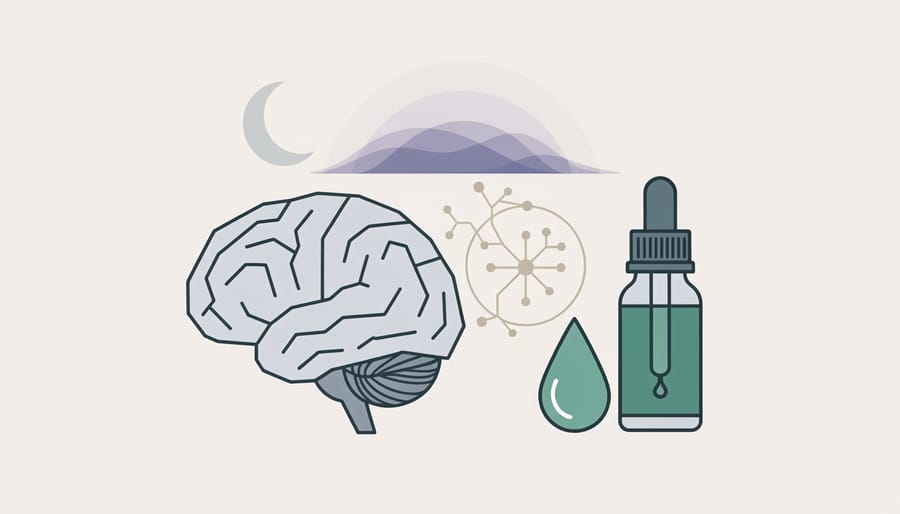
Cannabis vs. CBD: Understanding the Difference
Here’s a point that trips up a lot of readers: when you see headlines about cannabis suppressing REM sleep, they’re almost never talking about pure CBD. Most of the research showing REM suppression with THC involves either THC on its own or combination products that contain both cannabinoids. That distinction matters enormously if you’re using a CBD vape or tincture with little to no THC.
The CBD vs THC difference shows up clearly in the trial data. A randomized study in people with insomnia found that a single THC/CBD dose reduced REM sleep by a noticeable margin, participants spent less time dreaming and their total sleep time dropped as well. But here’s the key: that was an oral dose combining both compounds, not isolated CBD. The THC component drives most of the REM-suppressing effect, while CBD’s role in that mix is less clear.
When researchers specifically design trials to test pure, defined CBD on sleep architecture in people with insomnia, the picture looks different. We’re still building that evidence base, but the emerging pattern suggests CBD alone doesn’t consistently knock down REM the way THC-heavy products do. If you’re vaping a broad-spectrum or isolate CBD product, you’re in a fundamentally different category than someone using a high-THC edible or a balanced THC/CBD oil.
CBD-Only Studies and Sleep Architecture
When it comes to CBD-only products, the picture is less clear. Most large-scale studies evaluating cannabis and sleep have used preparations that contain both THC and CBD, making it difficult to isolate CBD’s specific effects. That’s why a defined CBD in insomnia trial designed to evaluate pure CBD’s impact on sleep physiology marks an important step forward.
The trial targeted people with insomnia specifically, which means we’re looking at a population actively struggling with sleep, not just recreational users. By using a standardized CBD formulation, researchers can finally measure how CBD alone (without THC) affects sleep stages, including REM.
What we still don’t know: whether CBD at various doses consistently alters REM architecture the way high-THC cannabis does. Early evidence suggests CBD is less disruptive to sleep stages than THC, but individual responses vary considerably. Until more polysomnographic studies publish, we’re relying on a mix of clinical trial data and anecdotal reports from users. The takeaway? If you’re using CBD for sleep, you’re likely not facing the same REM suppression concerns that come with high-THC products.
Different CBD Formulations and Their Sleep Effects
The way you take CBD matters as much as whether you take it. Different formulations hit your system at different speeds and stick around for different durations, which directly affects how they might influence your sleep.
- Vaping: Fast onset (minutes), shorter duration (2-4 hours), useful for falling asleep quickly but may not last through the night
- CBD oil (sublingual): Moderate onset (15-45 minutes), medium duration (4-6 hours), good balance for both sleep onset and maintenance
- CBD gummies and edibles: Slow onset (1-2 hours), longer duration (6-8 hours), better for staying asleep than falling asleep
- Capsules: Similar to edibles but slightly more predictable absorption, longer-lasting effects
I’ve tried vaping CBD about an hour before bed, and the quick relief can help quiet racing thoughts when you’re winding down. But that shorter window means it’s mostly worn off by the time you hit your deepest sleep cycles later in the night. Oils taken sublingually give you more coverage, you absorb some through the mucous membranes right away and the rest processes through digestion, creating a staggered effect.
Edibles are the slow burn of the CBD world. That delayed onset means you need to plan ahead, taking them two hours or more before bed. The trade-off is they’re still working at 3 a.m. when you might otherwise wake up. Some people combine a fast-acting method for falling asleep with a longer-lasting one for staying asleep, though that’s something to experiment with carefully.
Dose matters too, obviously. The oral THC/CBD combination in that insomnia trial was a single defined dose, not something people adjusted over time. Real-world CBD use tends to involve lower starting doses that people tweak based on how they feel. It’s also worth noting the difference between CBD vs CBN CBN is another cannabinoid often marketed specifically for sleep, though the research on it remains thin.
Using CBD for Sleep: Practical Considerations
If you’re considering CBD for sleep, the biggest piece of advice I can offer from both research and lived experience is this: start low, go slow, and pay attention to how you actually feel. Unlike traditional sleep medications that often work the same way for everyone (with predictable side effects), CBD’s sleep benefits seem highly individual, what works brilliantly for one person might do nothing for another.
Most people who use CBD for sleep start with doses between 10-40mg taken 30-60 minutes before bed. If you’re vaping CBD, the effects come on faster, usually within 5-15 minutes, which means you can time it closer to when you want to fall asleep. Oral products like oils or capsules take longer to kick in, typically 45-90 minutes, so plan accordingly. I’ve found that taking a tincture about an hour before my target bedtime works well, giving my system time to process it as I wind down.
Don’t expect CBD to knock you out like a sleeping pill. What people report more consistently is reduced nighttime anxiety, less racing thoughts, and an easier time settling into sleep. Some users find they wake less frequently during the night or feel more rested in the morning, even without dramatically increasing total sleep time.
Keep a simple sleep journal for the first couple of weeks, note your dose, timing, how long it took to fall asleep, and how you felt the next morning. This gives you actual data to work with rather than vague impressions. If you’re not seeing benefits after 7-10 days at a consistent dose, you can adjust upward gradually, usually by 5-10mg increments.
Quality matters enormously here. Choose CBD products from brands that provide third-party lab testing and clear dosing information, guesswork defeats the entire purpose of tracking what works for you.
Common Questions About CBD and Sleep Stages
Does CBD specifically affect REM sleep?
Current evidence suggests that CBD alone doesn’t consistently suppress REM sleep the way high-THC products do. A meta-analysis of polysomnographic studies found no consistent overall changes in sleep architecture following cannabis use, though REM suppression appeared mainly in acute studies using high THC doses rather than CBD-only products.
Does cannabis suppress REM sleep?
Yes, but it depends on the formulation. Research shows that products combining THC and CBD can reduce REM sleep, one randomized trial found that a single oral dose of THC/CBD reduced both total sleep time and REM sleep by a clinically significant amount in people with insomnia. Pure CBD products show different results and are less likely to suppress REM.
Can CBD improve sleep quality in people with insomnia?
Specific trials designed to evaluate defined CBD on sleep physiology in people with insomnia are still ongoing, and results have been mixed. Many people use CBD for anxiety and stress reduction, which indirectly supports better sleep, but we need more research to understand CBD’s direct effects on sleep architecture.
The distinction between CBD products and THC-heavy cannabis matters more than most people realize when it comes to REM sleep. If you’re using CBD specifically, whether vaping, oils, or capsules, you’re far less likely to experience the REM suppression that worries people about cannabis generally. That said, combination products and full-spectrum formulations with higher THC levels behave differently, which is why checking your product’s cannabinoid profile matters if you’re concerned about dream sleep. Pay attention to how you feel in the morning and whether you’re waking refreshed, as that’s often a better indicator of sleep quality than worrying about individual sleep stages.
So where does that leave us? Based on what we know today, pure CBD doesn’t appear to suppress REM sleep the way high-THC cannabis does. The meta-analysis of sleep studies shows REM suppression mainly crops up with acute, high-THC use, while CBD-only trials haven’t consistently shown that effect in people with insomnia. That said, everyone’s endocannabinoid system is different. What works beautifully for your friend might not do much for you, or vice versa.
My advice? Pay attention to how you actually feel. Track your sleep quality for a couple of weeks if you’re using CBD before bed. Notice whether you’re waking refreshed or groggy, whether you’re dreaming normally, and how your energy levels look during the day. Stick with reputable brands that provide third-party lab reports so you know exactly what you’re getting. The research is still catching up to the reality of millions of people using CBD for sleep, and that’s okay. We’ll keep learning, adjusting, and sharing what works.