CBD muscle balm is available in Canada through three main channels: provincial cannabis retailers like the Ontario Cannabis Store, licensed private retailers, and authorized online dispensaries. Unlike CBD oil tinctures that you take orally, muscle balms are topical products designed to be applied directly to sore muscles after workouts, delivering concentrated CBD through your skin rather than your bloodstream.
If you’ve been searching for muscle recovery products in the CBD section and feeling confused about the difference between oils and balms, you’re not alone. I spent months using CBD oil drops before realizing topical balms were what I actually needed for post-gym soreness. The distinction matters because topicals stay where you put them, working on localized areas, while oils enter your system and spread throughout your body.
The Canadian market offers solid options, though availability varies significantly by province. WholeHemp CBD Cream, for example, is sold through the Ontario Cannabis Store in 2 oz amber glass jars containing 225 mg CBD, made in small batches in Ontario with shea butter, CBD-infused organic sunflower oil, and arrowroot. Pricing spans a wide range, with some premium organic formulas reaching close to $90, while smaller-batch products sit in more accessible price brackets.
Choosing the right muscle balm requires understanding CBD concentration, carrier ingredients, and what your provincial regulations allow. This guide walks you through where to legally purchase these products across Canada, how to evaluate quality without falling for marketing hype, and which mistakes trip up first-time buyers.
What Makes CBD Muscle Balm Different from CBD Oil
When you’re comparing CBD oil vs balm the core difference comes down to formulation and how your body receives the cannabinoid. CBD oil tinctures are designed for sublingual or oral consumption. You place drops under your tongue or swallow them, and the CBD enters your bloodstream through the digestive system or mucous membranes. These tinctures typically contain CBD extract suspended in a carrier oil like MCT or hemp seed oil, and they’re meant to provide systemic effects throughout your body.
CBD muscle balms take a completely different approach. These topical products are formulated for external application only. Manufacturers infuse CBD oil into thick carrier bases like shea butter, coconut oil, or beeswax to create a cream, balm, or salve you massage directly onto sore muscles and joints. When you apply a muscle balm, the CBD absorbs through your skin and interacts with cannabinoid receptors in the localized area rather than entering your bloodstream in significant amounts.
The intended use reflects this fundamental difference. You’d reach for a CBD oil tincture when you want overall wellness support or system-wide effects. A muscle balm is your go-to for targeted relief, rubbing it into your shoulders after a heavy lifting session or onto your calves after a long run. The balm’s thick texture also allows other recovery ingredients like menthol, arnica, or essential oils to work alongside the CBD, creating a multi-layered approach to post-workout soreness.
The absorption method matters for timing too. Tinctures may take 30 minutes to two hours to produce noticeable effects. Topical balms work more quickly in the applied area since they bypass digestion entirely.
Key Factors to Consider When Buying CBD Muscle Balm
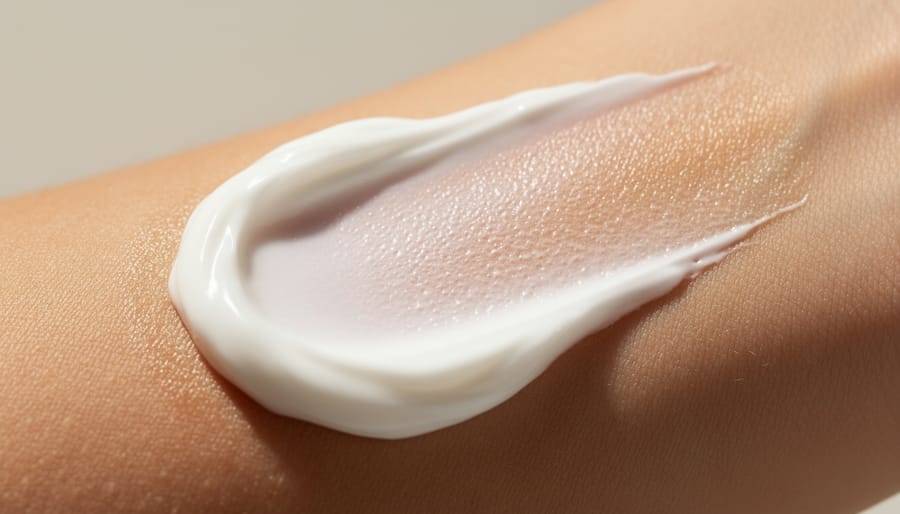
When you’re shopping for CBD muscle balm in Canada, CBD concentration sits at the top of your checklist. A product containing 225mg of CBD per jar, like the WholeHemp CBD Cream available at the Ontario Cannabis Store, works well for targeted relief on specific muscle groups after a workout. Higher concentrations around 500mg to 1000mg typically cost more but deliver stronger effects per application, which matters if you’re dealing with intense post-training soreness or covering larger areas. The concentration directly affects how much product you’ll need each time and how long a jar lasts.
Here are the essential factors that separate quality CBD muscle balms from disappointing purchases:
- CBD concentration and potency, Check the total milligrams per container and calculate the approximate mg per application based on jar size
- Ingredient quality, Look for organic carrier oils, natural butters like shea, and simple ingredient lists without synthetic fragrances or unnecessary fillers
- THC content verification, Canadian regulations permit trace THC in CBD products; confirm the listed THC range stays within legal limits and matches your comfort level
- Texture and absorption rate, Balms absorb slower but provide longer-lasting moisture, while creams penetrate faster for quicker relief; choose based on your recovery routine
- Packaging integrity, Amber glass jars protect CBD from light degradation better than clear plastic, preserving potency throughout the product’s shelf life
- Batch testing transparency, Reputable brands display third-party lab results showing cannabinoid content and confirming the absence of contaminants, pesticides, and heavy metals
- Complementary ingredients, Menthol or camphor create cooling sensations, while capsaicin offers warming effects; arnica and essential oils provide additional anti-inflammatory benefits
Ingredient transparency matters more than flashy marketing claims. A balm made with organic sunflower oil infused with orchard-grown hemp flower, combined with simple components like shea butter and arrowroot, signals a manufacturer focused on quality over gimmicks. Small-batch production, as seen with Ontario-made options, often correlates with better ingredient sourcing and quality control compared to mass-market products.
Price ranges vary dramatically, from budget-friendly provincial store options to premium offerings like Extract Labs Organic CBD Muscle Cream at $89.99. Higher prices sometimes reflect superior organic ingredients and rigorous testing protocols, but they don’t automatically guarantee better results. Focus on verifiable quality markers rather than assuming cost equals effectiveness.
Types of CBD Muscle Balms Compared
The Canadian CBD market offers several formulation types, each designed for different recovery needs and preferences. Understanding these distinctions helps you choose a product that matches your recovery routine and comfort level with cannabinoid profiles.
Creams, balms, and salves differ primarily in consistency and base ingredients. Creams blend water-based and oil-based ingredients into a lighter, smoother texture that absorbs quickly, ideal if you need to dress soon after application or dislike a greasy residue. Balms use primarily oils and waxes without water content, creating a thicker consistency that sits on the skin longer and provides a protective barrier. This makes them better for targeted deep-tissue massage on specific sore spots. Salves fall between the two, offering a semi-solid texture that melts with body heat but remains more substantial than cream.
| Type | Consistency | Best For | Absorption Speed |
|---|---|---|---|
| Cream | Light, smooth | Large areas, quick application | Fast (5-10 min) |
| Balm | Thick, waxy | Targeted deep-tissue massage | Slow (15-20 min) |
| Salve | Semi-solid | Moderate coverage, flexibility | Moderate (10-15 min) |
The cannabinoid profile matters more than many buyers realize. Full-spectrum formulas contain CBD alongside other hemp compounds including minor cannabinoids, terpenes, and up to the legal THC limit (which can reach 32 mg per container in Canadian products like WholeHemp CBD Cream). These compounds work together in what researchers call the entourage effect, potentially enhancing relief. Broad-spectrum products remove THC entirely while keeping other beneficial compounds, appealing to anyone who wants to avoid even trace amounts of THC. Isolate formulations contain pure CBD only, offering the most predictable experience but missing the potential synergy of plant compounds.
Organic artisanal products like WholeHemp’s small-batch approach tend to feature simpler ingredient lists (shea butter, CBD-infused organic sunflower oil, arrowroot) and careful sourcing. Commercial brands often incorporate additional active ingredients, preservatives for longer shelf life, and standardized formulations across large production runs. Neither is inherently better, it depends whether you prioritize minimal ingredients and craft production or consistent availability and added features.
Heating and cooling formulas address different recovery phases. Cooling balms with menthol or peppermint work immediately post-workout when inflammation peaks, providing a numbing sensation that reduces acute discomfort. Warming formulas containing capsaicin or ginger suit chronic stiffness or pre-activity warmup, increasing blood flow to tight muscles. Some products blend both sensations, though I find dedicated heating or cooling formulas more effective for targeted recovery timing.
Where to Buy CBD Muscle Balm in Canada

Provincial Cannabis Stores
Provincial cannabis stores across Canada offer a regulated, trustworthy route for purchasing CBD muscle balms. These government-operated retailers carry products that have passed federal quality and safety standards, meaning you’re guaranteed accurate labelling and consistent dosing, something particularly important when you’re comparing formulations for recovery needs.
The Ontario Cannabis Store (OCS) provides a solid example of what’s available through this channel. They stock WholeHemp CBD Cream, a locally-made option that illustrates the small-batch artisanal approach many Canadian producers favour. This product comes in a 2 oz amber glass jar containing 225mg of CBD, formulated with shea butter, WholeHemp CBD oil (CBD-infused organic sunflower oil from orchard-grown hemp flower), and arrowroot. The amber glass packaging helps preserve the cream’s potency by blocking light degradation, a detail worth noting when you’re storing your balm between gym sessions.
What makes provincial stores particularly valuable is their filtering function. You won’t find LivRelief CBD cream or similar mass-market options here, but rather cannabis-derived topicals that have cleared Health Canada’s licensing requirements. The trade-off is a more curated selection focused on verified CBD content rather than broad retail availability.
Shopping at these stores also means access to staff trained in cannabis products who can explain concentration differences and formulation types, which beats guessing from an online description when you’re new to CBD muscle balms.
Online Options and What to Verify
Shopping online for CBD muscle balm offers convenience, but Canada’s regulated cannabis market requires careful verification to ensure you’re buying from legitimate sources. Licensed online retailers must operate under Health Canada’s framework, which means they’re authorized to sell cannabis-derived CBD products legally.
Start by confirming the retailer holds a valid provincial license. Many provinces operate their own online stores, Ontario’s OCS is one example, while others license private retailers. Look for clear license numbers displayed on the site, usually in the footer or about section. You can cross-check these against provincial registry databases to confirm authenticity.
Legitimate retailers will provide detailed product information including full ingredient lists, CBD and THC content ranges, and lot numbers for traceability. They should never make medical claims about what their products can cure or treat, as Health Canada prohibits such promises. Be wary of sites using vague language like “laboratory tested” without providing accessible certificates of analysis or batch information.
Verify the checkout process requires age verification, licensed retailers must confirm you’re 19 or older depending on your province. Secure payment processing and a Canadian business address are additional legitimacy markers. If a site ships from outside Canada or lacks transparent contact information, skip it regardless of pricing.
Product Recommendations for Different Needs
When choosing your CBD muscle balm, match the product to how you’ll actually use it. For everyday muscle tension or lighter workouts, a balm with 200-300mg CBD per jar works well and costs less, WholeHemp CBD Cream at 225mg per 2oz amber glass jar from the Ontario Cannabis Store fits this category perfectly, offering small-batch quality made in Ontario with simple ingredients like shea butter and arrowroot. It’s a solid starting point without breaking the bank.
If you’re dealing with intense post-workout soreness or training for competition, premium options with higher CBD concentrations deliver more relief per application. Extract Labs Organic CBD Muscle Cream at $89.99 sits at the upper end of the market, where you’re paying for organic certification, higher potency, and extensive batch testing. The price jump isn’t just marketing, these formulas typically contain 750-1000mg CBD per jar and use premium carrier oils that absorb faster.
For sensitive skin or those avoiding unnecessary additives, look for organic, clean-ingredient formulas with minimal scent and no synthetic fragrances. WholeHemp’s approach using CBD-infused organic sunflower oil made from orchard-grown hemp flower shows the kind of transparency worth seeking. Check ingredient lists for recognizable components: shea butter, coconut oil, beeswax, arnica, and essential oils are standard in quality balms, while long lists of preservatives and fillers signal lower-grade products.
If you’re exploring CBD for inflammation management beyond basic muscle recovery, consider balms with complementary botanicals like menthol for cooling relief or cayenne for warming effects. These combo formulas cost slightly more but serve dual purposes, just patch-test first if your skin reacts to temperature-changing ingredients.
Budget matters, but don’t let price alone guide you. A $30 balm that works beats an $80 jar sitting unused because the texture feels greasy or the scent overwhelms. Start with a mid-range option from a licensed provincial retailer, use it consistently for two weeks, then adjust concentration or formula based on results.
Common Mistakes to Avoid When Buying CBD Muscle Balm
Even experienced CBD users stumble when shopping for muscle balms, and these missteps can mean wasted money or disappointing results. The most frequent mistakes are completely avoidable once you know what to watch for, especially when choosing CBD for pain relief in topical form.
- Ignoring THC content limits and assuming all balms are completely THC-free, when some contain trace amounts that could affect sensitive users or drug testing
- Overlooking ingredient quality in carrier oils and butters, grabbing the first balm you see without checking if it uses nourishing bases like shea butter or cheap fillers
- Assuming higher price automatically equals better quality, when a $90 balm isn’t necessarily more effective than a $40 option with similar CBD content
- Skipping batch testing verification and trusting marketing claims instead of looking for third-party lab results
- Buying from unlicensed sources like random online shops or social media sellers to save a few dollars, risking contaminated or mislabeled products
- Expecting immediate miracle results and giving up after one application, when CBD topicals typically need consistent use over several days
The THC oversight trips up people constantly. They see “CBD cream” and forget Canada allows small amounts of THC in these products. WholeHemp’s cream lists 0.00 to 32.00 mg THC per jar, which is within legal limits but worth noting if you’re concerned about any THC exposure. Always check the label before purchasing.
Another trap is judging solely by price point. Extract Labs charges $89.99 for their organic muscle cream, which might be worth it for specific needs, but a smaller-batch product from provincial stores at half that price could work just as well for everyday recovery. The CBD concentration and ingredient list matter far more than the sticker shock. Compare what you’re actually getting per milligram of CBD, not just the jar price.
Don’t skip the ingredient check either. Some balms pad their formulas with petroleum jelly or mineral oil when they could use nutrient-rich shea butter or coconut oil that actually benefit your skin. The carrier base determines how well the CBD absorbs and how your skin feels afterward, so it deserves attention beyond just the CBD amount.
How to Use CBD Muscle Balm for Best Results
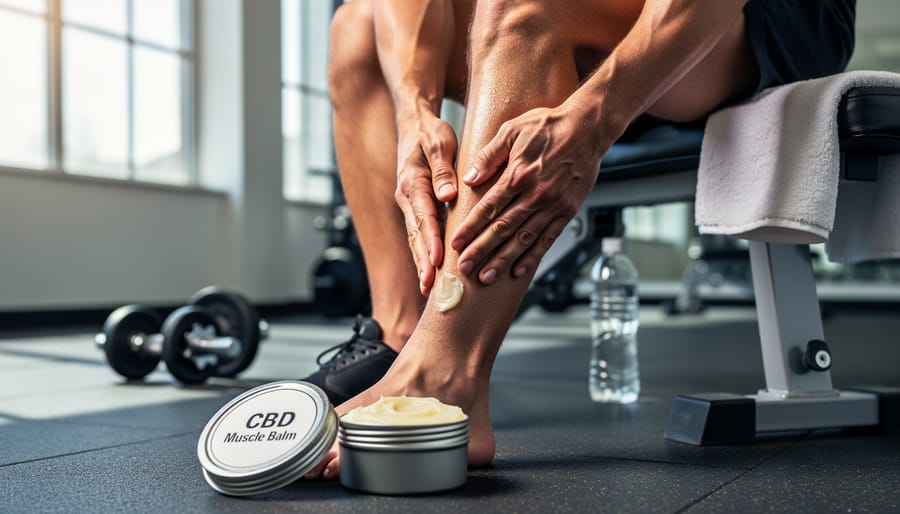
Start with clean, dry skin, applying CBD muscle balm immediately after showering locks in moisture and may improve absorption. For post-workout use, wait 15-30 minutes after your session to let your heart rate settle, then massage a nickel-to-quarter-sized amount directly onto sore areas. You’ll need less than you think; a product with 225mg CBD like WholeHemp’s cream spreads easily thanks to its shea butter base.
Use firm, circular motions when applying. Spend at least 60 seconds massaging the balm into each muscle group to warm the tissue and help the CBD penetrate. Don’t just slap it on, the physical manipulation matters as much as the product itself. Focus on tight spots like shoulders, lower back, or quads where you feel specific tension.
Timing your expectations makes a difference. CBD muscle balms aren’t painkillers that work in minutes. Most users notice a soothing sensation within 20-40 minutes, with peak effects around the 90-minute mark. If you’re wondering Will CBD get me high?, topical CBD won’t, it doesn’t enter your bloodstream in significant amounts.
Layer your recovery methods for better results. Apply CBD balm after foam rolling or stretching, not instead of them. Some people alternate between CBD topicals and ice packs, using the balm after the inflammation cools. Reapply once or twice daily as needed, especially before bed when muscle repair happens.
Be consistent for at least a week before judging effectiveness. One application won’t transform your recovery, but regular use on problem areas can make a noticeable difference in how you feel between training sessions.
Finding quality CBD muscle balm in Canada has never been easier. With legitimate provincial retailers now stocking topical CBD products alongside CBD oil tinctures, you’ve got reliable access to properly tested recovery options. The Ontario Cannabis Store carries products like WholeHemp CBD Cream in its 2 oz amber glass jar format, proof that the market’s maturing beyond niche wellness shops into regulated, trustworthy channels.
When you’re ready to buy, prioritize the factors we’ve covered: CBD concentration that matches your recovery needs, transparent ingredient lists featuring quality carriers like shea butter, batch testing for safety, and packaging designed for product preservation. Starting with your provincial cannabis retailer removes guesswork around legitimacy and gives you recourse if something’s not right.
Can I buy CBD muscle balm without a prescription in Canada?
Yes, CBD topicals are available from licensed retailers without a prescription, just like other legal cannabis products. You need to be of legal age in your province.
How much CBD should be in a muscle balm?
Entry-level products start around 225mg per container, while intensive-use formulas can go much higher. More CBD per ounce generally means stronger effect, but quality ingredients and absorption matter too.
Is CBD muscle balm legal in all provinces?
Yes, topical CBD products are legal across Canada when sold through licensed cannabis retailers. Each province has its own retail system, but the products themselves are federally legal.
Does CBD muscle balm show up on drug tests?
Topical CBD is absorbed locally through skin, not systemically like CBD oil tinctures, making positive drug tests extremely unlikely. However, some balms contain trace THC, so check labels if testing is a concern.
Remember, CBD muscle balm sits within a broader wellness toolkit. It complements CBD oils, recovery protocols, and other self-care practices rather than replacing them. Whether you’re dealing with post-workout soreness or everyday tension, the Canadian market now offers legitimate options through channels you can trust. Start with what’s available at your provincial retailer, pay attention to how your body responds, and adjust from there.