
Delta 9 THC is the primary psychoactive compound in cannabis that produces the classic “high,” and it’s fundamentally different from CBD in both effects and legal status. While CBD won’t get you intoxicated, Delta 9 will. That’s the critical distinction you need to understand before considering any Delta 9 vaping products.
I’ve been covering the vaping and cannabinoid space for years, and the questions about Delta 9 have intensified as the market has expanded beyond traditional CBD offerings. Many people stumble onto Delta 9 products while browsing for CBD vapes, not realizing they’re about to purchase something with dramatically different effects. Health Canada has recently updated guidance on cannabis products containing intoxicating cannabinoids beyond delta-9-THC, reflecting how rapidly this landscape is shifting.
Here’s what matters: Delta 9 THC is the compound responsible for marijuana’s intoxicating effects. When you vape it, you’ll experience altered perception, mood changes, and potentially anxiety or euphoria depending on the dose and your individual chemistry. This isn’t a subtle relaxation like you might get from CBD. It’s a genuine psychoactive experience.
The market has evolved considerably. You’ll now find Delta 9 products sold as flower, edibles, vapes, and beverages, with retailers claiming competitive pricing across the board. But availability and legality vary wildly depending on where you live, and the concentration levels differ significantly between products.
If you’re researching Delta 9 because you’re curious about stepping beyond CBD, or you’re confused about what you’re actually buying, you’re in the right place. This guide will walk you through exactly what Delta 9 is, how it compares to the CBD products you might already use, what to expect from vaping it, and whether it’s the right choice for your needs.
What Exactly Is Delta 9 THC?
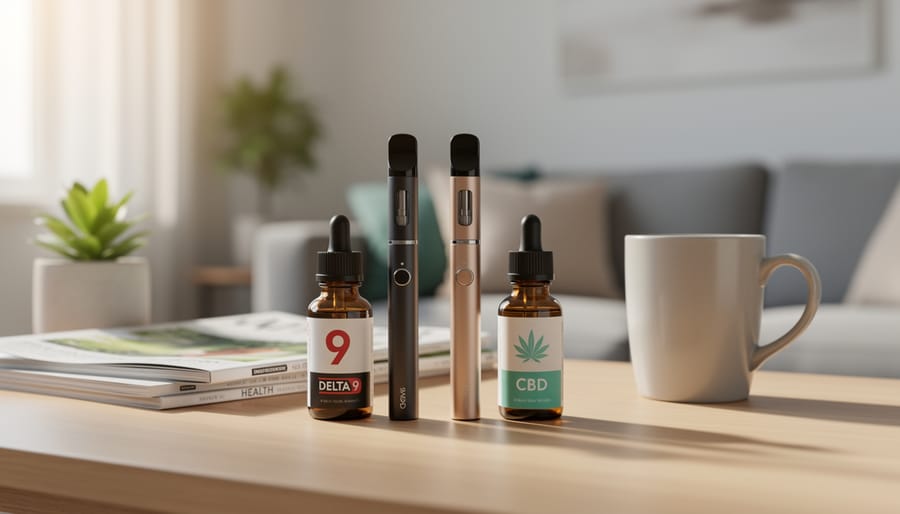
Delta 9 tetrahydrocannabinol, commonly shortened to Delta 9 THC or just THC, is the compound in cannabis that gets you high. When someone talks about the “active ingredient” in marijuana, they’re referring to Delta 9. It’s a naturally occurring molecule found in the trichomes of cannabis plants, and it’s been the focus of both recreational and medicinal cannabis use for decades.
What makes Delta 9 different from CBD comes down to how it interacts with your body’s endocannabinoid system. Both compounds bind to cannabinoid receptors, but Delta 9 has a strong affinity for CB1 receptors in your brain and nervous system. This binding triggers the psychoactive effects you associate with cannabis: the euphoria, altered perception, and mental changes. CBD, on the other hand, doesn’t produce this high because it works differently with these receptors.
The molecular structures of Delta 9 and CBD are nearly identical, both containing 21 carbon atoms, 30 hydrogen atoms, and 2 oxygen atoms. The difference lies in how these atoms are arranged. That small structural variation is what separates a psychoactive compound from a non-psychoactive one. It’s fascinating how such a minor chemical difference can create such dramatically different experiences.
Delta 9 is gaining serious traction in the vaping community for a few reasons. First, vaping delivers effects faster than edibles or capsules, which appeals to people seeking quick relief or recreational enjoyment. Second, regulatory changes have made Delta 9 products more accessible. Health Canada has updated its guidance on cannabinoids including Delta 9, and retailers now offer various Delta 9 products like vapes, flower, edibles, and beverages both online and in physical stores.
Understanding Delta 9 matters because you’re likely to encounter it while shopping for vaping products, and knowing what you’re actually consuming makes all the difference.
How Delta 9 Differs from CBD: The Critical Distinctions
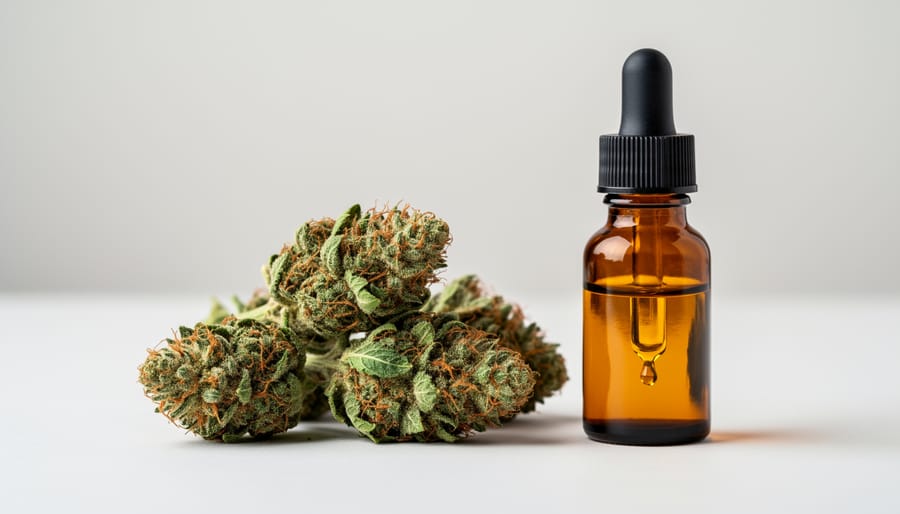
The fundamental difference between Delta 9 THC and CBD comes down to one critical factor: Delta 9 will get you high, while CBD won’t. That single distinction cascades into everything else about how these cannabinoids work, who can legally access them, and what you’re actually trying to achieve when you vape.
Delta 9 THC binds directly to CB1 receptors in your brain, creating the characteristic euphoria, altered perception, and mental shifts associated with cannabis. CBD, on the other hand, doesn’t bind well to these receptors at all. Instead, it works more subtly on your endocannabinoid system without producing intoxication. When I switched from CBD vapes to trying Delta 9 for the first time, the difference was immediately obvious within minutes. There was no wondering whether it was “working” like I sometimes did with CBD.
| Aspect | Delta 9 THC | CBD |
|---|---|---|
| Psychoactive Effects | Yes, produces euphoria, altered perception, impairment | No, no intoxication or mental impairment |
| Legal Status | Restricted in most jurisdictions; regulated cannabis product | Widely legal; minimal restrictions in most areas |
| Common Uses | Recreation, sleep, appetite, specific medical conditions | Wellness, anxiety, inflammation, daily use |
| Side Effects | Anxiety, paranoia, impaired function, dry mouth | Generally mild; occasional drowsiness or digestive changes |
| Best For | Users seeking psychoactive effects or strong symptom relief | Users wanting benefits without impairment or lifestyle disruption |
The legal landscape differs dramatically too. Health Canada has updated guidance on cannabis products with intoxicating cannabinoids other than delta-9-THC, but Delta 9 itself remains tightly regulated as a controlled substance in most places. CBD derived from hemp typically faces far fewer restrictions, which is why you’ll find CBD products in regular shops while Delta 9 requires licensed dispensaries or specific retail channels.
This matters practically. You can vape CBD during your lunch break without worrying about impairment affecting your afternoon. Delta 9 demands different planning and responsibility because you will be intoxicated.
One question people often ask: Does CBD cancel THC? The short answer is that CBD can moderate some of Delta 9’s intensity, but it doesn’t eliminate the psychoactive effects entirely. Some vapers actually combine both cannabinoids intentionally to smooth out the experience.
Your choice between them should align with your actual goals. If you’re looking for relaxation without getting high, CBD makes sense. If you want the full psychoactive experience cannabis is known for, Delta 9 delivers that. If you need to pass drug tests for work, CBD is typically your only option since Delta 9 will absolutely show up on standard screenings.
Delta 9 in Vaping Products: What’s Available in 2026
The Delta 9 vape market has expanded considerably since I first started exploring these products, and the options available in 2026 reflect both growing demand and evolving regulations. You’ll find Delta 9 THC products in several formats, with vapes being one of the most popular delivery methods alongside flower, edibles, and beverages.
When it comes to vaping specifically, the two main product types are pre-filled cartridges and disposable vape devices. Pre-filled cartridges work with standard 510-thread batteries, the same ones many CBD vapers already own, making them an accessible entry point if you’re already familiar with the best vape pens on the market. These cartridges typically contain Delta 9 distillate combined with terpenes for flavour and effect, with THC concentrations usually ranging from 70% to 90%.
Disposables have gained serious traction because they require zero setup or maintenance. You simply inhale and dispose of the device once empty. I’ve found these particularly useful when traveling or trying a new strain without committing to a full cartridge. The trade-off is less flexibility in battery control and typically higher per-use costs.
The product landscape differs noticeably from CBD vapes in a few key ways. Delta 9 products require stricter age verification and packaging, come with clearer labelling about THC content and effects, and face tighter regulatory oversight. Health Canada has updated its guidance on cannabis products with intoxicating cannabinoids other than delta-9-THC, which has brought more clarity to what can legally be sold and how products must be labeled.
When shopping for Delta 9 vapes, prioritize third-party lab testing that confirms both potency and the absence of harmful additives like vitamin E acetate. Look for clear cannabinoid profiles showing exactly how much Delta 9 THC you’re getting per puff or per cartridge. Reputable brands will provide batch-specific certificates of analysis, either on their packaging or website. Pay attention to extraction methods too, CO2 or ethanol extraction generally produces cleaner end products than cheaper alternatives.
The strain or terpene profile matters more with Delta 9 than it typically does with CBD. Different combinations produce noticeably different effects, so product descriptions should give you a sense of whether you’re looking at something energizing or sedating.
The Effects: What to Expect When Vaping Delta 9
I’ll be straight with you, the first time I vaped Delta 9, I underestimated just how different it would be from the CBD products I’d been using for months. I took a few draws expecting the familiar calm, and within five minutes, I was definitely somewhere else entirely.
When you vape Delta 9 THC, effects typically begin within 2-5 minutes. That’s significantly faster than edibles (which can take 30-90 minutes) but similar to smoking flower. The difference with vaping is the smooth, controlled delivery that lets you gauge your response almost immediately. This rapid onset is precisely why experienced users recommend starting with a single small draw and waiting at least 15 minutes before considering more.
The intensity depends heavily on the product’s potency and your tolerance. For someone accustomed to CBD’s subtle effects, Delta 9 can feel surprisingly strong. Where CBD might ease tension without altering your headspace, Delta 9 actively changes your mental state. Effects generally peak around 30 minutes after vaping and can last 2-4 hours, though this varies considerably between individuals.
Common effects users report include:
- Euphoria or elevated mood and heightened sensory perception
- Physical relaxation and reduced muscle tension
- Altered time perception and changes in thought patterns
- Increased appetite (the classic “munchies”)
- Dry mouth and red eyes
- Potential anxiety or paranoia, especially at higher doses
- Short-term memory disruption during the experience
Unlike CBD, which won’t impair your ability to drive or work, Delta 9 absolutely will. You’re genuinely intoxicated, and your reaction times, judgment, and coordination are affected. This isn’t something you vape before a work meeting or running errands.
The experience can also vary based on strain type if you’re using full-spectrum products. Indica-dominant varieties tend toward body relaxation and sedation, while sativa-leaning options might feel more cerebral and energizing. CBD products don’t typically create these distinctions because they lack the psychoactive component driving those varied experiences.
Safety Considerations and Responsible Use

Safety matters more than chasing a buzz. I learned that lesson the hard way during my early days experimenting with different cannabinoids. When it comes to Delta 9 THC vapes, treating them with respect and caution makes the difference between an enjoyable experience and an uncomfortable one.
Start impossibly low with your first dose. If you’re new to vaping weed for beginners take one small puff and wait at least 15 minutes before considering another. Delta 9 affects everyone differently based on body chemistry, tolerance, and countless other factors. What feels mild to an experienced user might overwhelm someone with no THC history. I recommend starting with products labelled as low-potency or those specifically marketed for beginners.
Drug testing presents a non-negotiable reality. Delta 9 THC will trigger positive results on standard drug screenings, period. If your job, sport, or personal situation involves testing, Delta 9 products are not your friend. Unlike CBD, which typically contains minimal THC, Delta 9 is the exact compound tests look for. This consequence extends for days or weeks after your last puff, depending on usage frequency.
Avoid Delta 9 entirely if you’re pregnant, nursing, have a history of psychosis or severe anxiety, or take medications that warn against cannabis use. The psychoactive effects can worsen certain mental health conditions or interact unpredictably with prescriptions. When in doubt, consult a healthcare provider before trying any THC product.
Never drive or operate machinery while using Delta 9. Your reaction time, judgment, and coordination become impaired, even if you feel fine. Also skip Delta 9 if you have important responsibilities coming up within the next few hours.
Store your vapes securely away from children and pets. Keep them in original packaging when possible so you remember the potency and product details. Buy only from licensed retailers selling tested products with clear labelling, not random online shops making bold claims without verification.
Making the Choice: Is Delta 9 or CBD Right for Your Vaping Needs?

Choosing between Delta 9 and CBD ultimately comes down to what you’re trying to achieve and how comfortable you are with psychoactive effects. If you’re looking for relaxation without any intoxication, need to pass drug tests for work, or prefer maintaining complete mental clarity throughout your day, CBD remains the safer bet. It delivers therapeutic benefits without altering your headspace, which matters if you need to function at full capacity or have concerns about how substances affect your state of mind.
Delta 9 makes more sense when you’re seeking deeper relaxation, sleep support that goes beyond what CBD offers, or you’re curious about the entourage effect with psychoactive properties. I’ve found it particularly useful for weekend evenings when I have no obligations the next morning. That said, your legal situation matters enormously. Even with updated regulations, workplace policies and local laws vary widely, so verify your specific circumstances before purchasing.
Pros
- Delta 9 offers stronger effects for sleep and deep relaxation that CBD alone may not provide.
- The psychoactive experience can be desirable for recreational use in appropriate settings.
- Delta 9 products now come in various controlled-dose formats for beginners.
Cons
- Delta 9 will cause you to fail standard drug tests unlike CBD products.
- Psychoactive effects may be unwanted or problematic for daily functioning.
- Legal status remains more restrictive and complicated than CBD in many jurisdictions.
For beginners, I always recommend starting with CBD to understand how cannabinoids affect your body before introducing psychoactive compounds. You can explore options like the best CBD oil products first to gauge your tolerance and preferences. Your lifestyle also plays a role, if you need flexibility to vape during Ramadan or other times when mental clarity is essential, CBD’s non-psychoactive profile offers that freedom. There’s no wrong choice here, just the right one for your specific needs and circumstances.
Understanding the difference between Delta 9 THC and CBD isn’t just about chemistry, it’s about making choices that align with your goals, lifestyle, and comfort level. If there’s one thing I hope you take from this, it’s that neither option is inherently better than the other. CBD offers the wellness benefits without psychoactivity, making it ideal for everyday use and situations where you need to stay clear-headed. Delta 9 delivers that distinct cannabis experience with psychoactive effects that some people genuinely value for relaxation or recreation, but it comes with legal considerations and responsibility requirements that CBD doesn’t.
Your decision should start with honest questions: What are you hoping to achieve? How do you feel about psychoactive effects? What does your local law allow? Where are you in your vaping journey? A beginner exploring wellness might find CBD the perfect starting point, while someone seeking a different kind of experience might gravitate toward Delta 9 after doing their homework.
The landscape keeps shifting, too. With regulators like Health Canada updating guidance on cannabinoids beyond delta-9-THC and product availability expanding across flower, edibles, vapes, and beverages, staying informed isn’t optional, it’s essential. Don’t rush your decision. Research thoroughly, start conservatively if you choose Delta 9, and prioritize products from transparent sources that actually test their stuff.
Whatever path you choose, you’re making that choice with better information than most people had even a couple years ago. That’s progress worth recognizing.