
CBD gel capsules offer the most precise, hassle-free way to incorporate cannabidiol into your daily routine. Each softgel delivers an exact dose of CBD in a pre-measured format that requires no measuring, no mess, and no guesswork. You swallow it with water, and you’re done.
I switched to gel caps about two years ago after struggling with the earthy taste of CBD oils, and the convenience factor alone made it worth the transition. No more carrying dropper bottles or trying to measure drops while traveling. The capsules slip into any bag, look just like vitamins, and stay potent far longer than oils once opened.
What sets gel capsules apart from other CBD formats is their consistency. When you take a 25mg capsule, you’re getting 25mg of CBD, every single time. Compare that to sublingual oils, where dosing accuracy depends on your technique and patience with a dropper. The softgel casing, typically made with animal-derived gelatin, protects the CBD from oxidation and makes absorption smoother on your digestive system.
The market has expanded considerably, with options ranging from CBD isolate capsules containing zero THC to full-spectrum formulas and specialized blends like CBD + CBN for sleep support. Prices vary widely, with quality products like vegan full-spectrum options running around $68 for a month’s supply, though you’ll find cheaper isolate versions too.
This guide cuts through the marketing noise to show you exactly what to look for when buying CBD gel capsules, which types work best for different needs, and the common mistakes that waste money and compromise results.
Understanding CBD Gel Capsules: What Makes Them Different
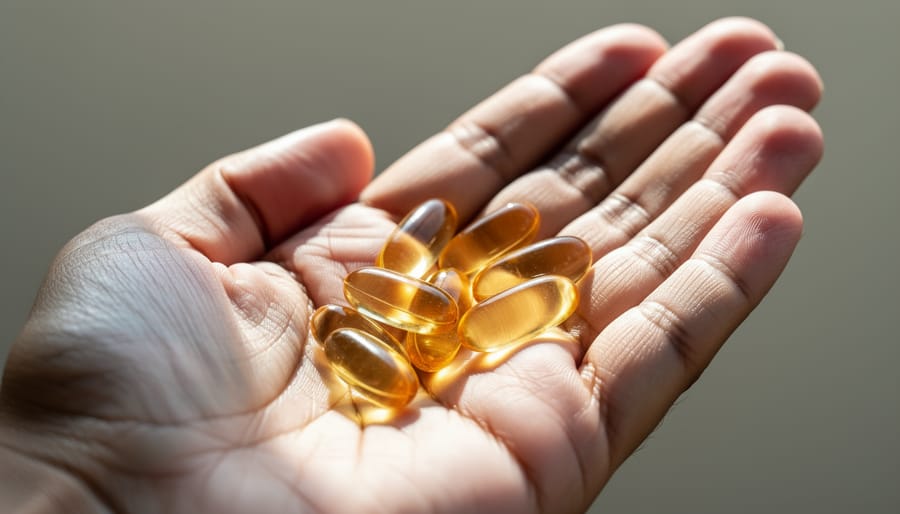
CBD gel capsules are one of the most convenient ways to take cannabidiol, a pre-measured dose of CBD extract sealed inside a smooth, easy-to-swallow capsule. Unlike CBD oils that require measuring droppers or vapes that demand equipment and technique, capsules deliver a fixed amount of CBD in a familiar pill format that fits seamlessly into existing supplement routines.
The “gel” in gel capsules refers to the soft outer shell, which is made with animal-derived gelatin. This gelatin coating dissolves in your stomach, releasing the CBD oil inside for absorption through your digestive system. The process takes longer than sublingual oils or vaping, typically 30 to 90 minutes before you feel effects, but many people prefer this format for its discretion and dosage precision.
This is a crucial distinction for anyone new to CBD. Why CBD won’t get you high comes down to THC content: quality capsules contain negligible or zero THC, the compound responsible for cannabis’s intoxicating effects. CBD softgel caps are designed for controlled medicinal uses, offering the potential wellness benefits of cannabidiol without altering your mental state.
Personally, capsules appealed to me when I first explored CBD because they removed the guesswork. I didn’t have to count drops or wonder if I’d taken the right amount. Each capsule delivered the same dose every time, which made it easier to track what worked for my needs and adjust accordingly. For someone coming from a background in vaping where precision matters, that consistency was reassuring, and the familiar pill format made CBD feel less intimidating to incorporate into my daily routine.
Types of CBD Capsules Compared
CBD Isolate vs. Broad vs. Full Spectrum
Understanding which type of CBD you’re getting makes a huge difference in your experience, so let’s break down the three main categories you’ll see on capsule labels.
CBD Isolate is pure CBD extracted from hemp, with all other cannabinoids and plant compounds removed. Medterra CBD Gel Capsules use this format, meaning each softgel contains CBD isolate that doesn’t contain any THC whatsoever. If you’re concerned about drug testing, want the purest CBD product possible, or simply prefer to avoid THC entirely, isolate is your safest bet. The downside? You miss out on what’s called the entourage effect, where different cannabinoids work together.
Broad-spectrum CBD sits in the middle ground. It contains multiple cannabinoids and beneficial compounds from the hemp plant, but with THC removed. You get some of those synergistic benefits without the THC concern, though it’s worth verifying the actual testing results since “THC-free” claims can vary.
Full-spectrum CBD includes the complete range of cannabinoids naturally present in hemp, including trace amounts of THC. Legally, cannabis concentrates are defined as containing 3% w/w or less of THC (accounting for the potential conversion of THCA into THC), though the hemp vs cannabis THC threshold means most commercial hemp products contain well under 0.3% THC. Full-spectrum advocates swear by the entourage effect, where all compounds work better together than CBD alone.
I started with isolate when I first tried capsules because I wanted to understand how CBD affected me without any variables. Once I knew my baseline response, experimenting with broad and full-spectrum options made more sense. Your choice depends on your THC tolerance, testing concerns, and whether you’re after pure CBD or the whole-plant experience.
Softgels vs. Traditional Gel Capsules
Most people use the terms “softgels” and “gel capsules” interchangeably, but there are subtle differences worth knowing before you buy.
Softgels are what you typically picture when you think of CBD capsules, those smooth, one-piece shells sealed with CBD oil suspended inside. The outer casing is made from gelatin that’s been plasticized with glycerin, creating that signature soft, slightly slippery texture. Traditional gel capsules, on the other hand, are two-piece hard-shell capsules (also gelatin-based) that snap together and contain powdered CBD or CBD mixed with a carrier oil.
From a practical standpoint, softgels generally go down easier. The seamless shell and slightly oily exterior make swallowing smoother, which matters if you’re taking capsules daily. I’ve found this especially helpful in the morning when I’m not fully awake yet. Hard-shell gel capsules can occasionally stick to your throat if you’re not drinking enough water.
Absorption is where things get interesting. Softgels typically contain CBD suspended in oil, which can enhance bioavailability since cannabinoids are fat-soluble. Hard capsules might contain CBD isolate powder or oil-infused powder, and absorption depends heavily on what you’ve eaten recently. Neither format is definitively superior, it comes down to formulation quality and your body’s response.
Both types are made with animal-derived gelatin, so if you’re vegan, you’ll need to look specifically for plant-based alternatives that use materials like tapioca or modified cellulose instead.
Key Factors When Choosing Your CBD Gel Capsules
THC Content: What You Need to Know
Understanding THC content is crucial when choosing CBD gel capsules, especially if you’re concerned about drug testing or want to avoid any psychoactive effects. Most CBD softgel capsules contain almost no THC and won’t make you feel high, but the exact amount varies by product type.
The key difference lies in extraction methods. CBD isolate capsules, like those from Medterra, contain zero THC, they’re pure CBD with everything else removed during processing. This makes them ideal if you need to completely avoid THC for work, personal, or legal reasons. I’ve found this format gives peace of mind when THC simply isn’t an option.
Full-spectrum and broad-spectrum capsules may contain trace amounts of THC, though cannabis concentrates are defined as containing 3% w/w or less of THC. Understanding Delta-9 THC vs CBD helps clarify why even small amounts matter for some users.
If you’re THC-sensitive or subject to drug screening, stick with verified CBD isolate products that explicitly state zero THC content. Always check third-party lab reports rather than just trusting the label, they’ll show exactly what’s in each capsule.
Capsule Materials Matter
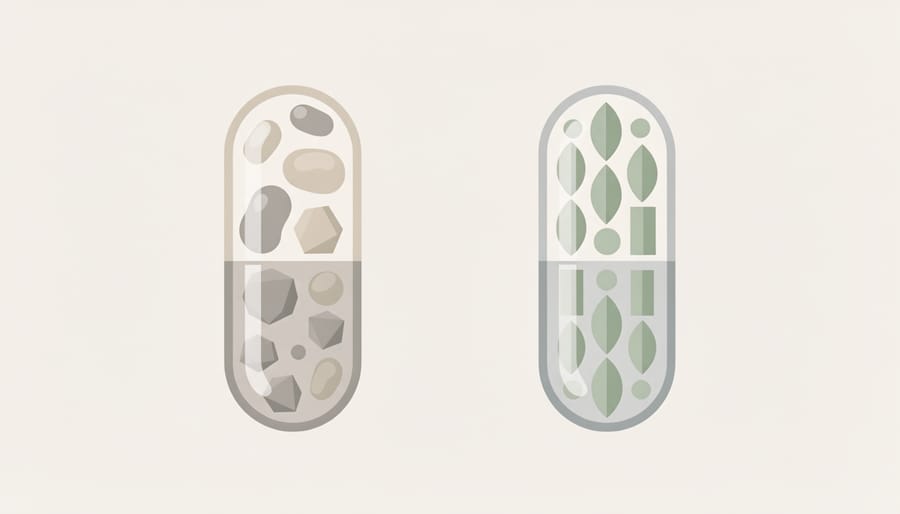
When you pick up a bottle of CBD gel capsules, there’s a good chance they’re made with animal-derived gelatin, the same stuff used in traditional supplement capsules. Gelatin comes from animal collagen, usually sourced from bovine or porcine sources, which creates that familiar smooth, easy-to-swallow coating.
For some people, this isn’t an issue. The gelatin capsules work well, dissolve predictably in your system, and they’re the industry standard. I started with gelatin-based capsules myself because they were widely available and reliably consistent.
But if you’re vegan, vegetarian, or have dietary restrictions for religious or ethical reasons, gelatin capsules are a non-starter. That’s where vegan alternatives come in. Plant-based capsules use materials like modified cellulose or tapioca to create a similar shell without any animal products. You’ll find options like Vegan Full Spectrum CBD Oil Capsules on the market, typically priced around $67.99, which deliver the same CBD benefits in a completely plant-based format.
The trade-off? Vegan capsules can sometimes have a slightly different texture or take marginally longer to break down, though most users don’t notice a practical difference. Some people also explore combinations like CBD with What is CBN for targeted wellness goals, available in both gelatin and vegan formats.
My take: choose based on your values and dietary needs. Both formats deliver CBD effectively, the capsule material is about personal preference, not potency.
Our Top Recommendations for Different Needs
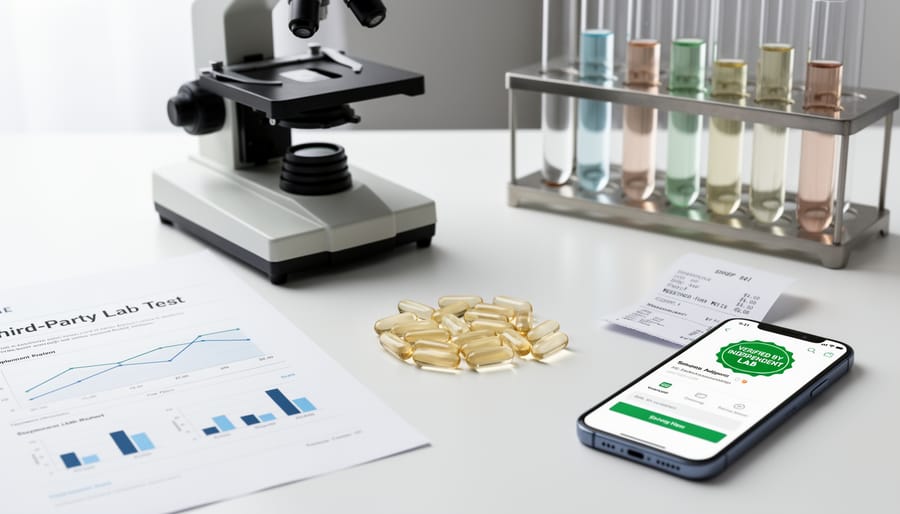
For Maximum Purity: CBD Isolate Capsules
When I first tried CBD isolate capsules, the peace of mind was immediate, I knew exactly what I was getting, with zero risk of THC showing up unexpectedly. That’s the core appeal of Medterra CBD Gel Capsules and similar isolate products: they contain pure CBD with absolutely no THC, making them ideal if you’re subject to drug testing, sensitive to even trace amounts of THC, or simply prefer a stripped-down approach to cannabinoid supplementation.
CBD isolate is exactly what it sounds like, cannabidiol extracted and refined until it’s the only compound left, typically 99% pure CBD. This process removes all other cannabinoids, terpenes, and plant matter, leaving just the active ingredient. For people who need predictability above all else, this matters enormously. You won’t experience any psychoactive effects (CBD isolate capsules don’t cause the high associated with THC), and you get consistent dosing without variables.
I’ve found isolate capsules particularly useful when traveling or in situations where I need complete certainty about what’s in my system. The trade-off is that you miss out on the entourage effect, the potential synergy between different cannabis compounds, but for maximum purity and THC-free assurance, isolate format delivers exactly what it promises with no surprises.
For Vegan Users: Plant-Based Alternatives
For anyone following a vegan lifestyle, standard CBD gel capsules present a dilemma, they’re made with animal-derived gelatin. Fortunately, plant-based alternatives have become widely available, with vegan full spectrum capsules now offering the same entourage effect without compromising your dietary principles.
Vegan CBD capsules typically use plant cellulose or tapioca-based shells instead of gelatin, creating a capsule that dissolves just as effectively in your digestive system. These plant-based options often come in full-spectrum formulations, meaning you get the complete range of cannabinoids and terpenes working together. Some users ask Does CBD cancel THC when considering full-spectrum products, but these vegan capsules contain trace amounts well within legal limits, enough for the entourage effect, not enough for psychoactive responses.
I’ve noticed vegan capsules often carry a slight premium. Vegan Full Spectrum options typically run around $67.99, which reflects both the specialized capsule material and the full-spectrum extraction process. That said, many users find the investment worthwhile, you’re getting a product aligned with your values while still accessing the benefits of multiple cannabinoids working synergistically.
The plant-based capsules I’ve tried dissolve smoothly without that slight aftertaste some gelatin capsules leave behind. They’re equally shelf-stable and travel-friendly, making them a practical choice whether you’re vegan for ethical, religious, or dietary reasons.
For Specific Wellness Goals
Different wellness goals call for different capsule formulations, and matching the right type to your needs makes a real difference in results.
CBD + CBN for sleep support has become my go-to recommendation for anyone struggling with rest. CBN (cannabinol) works synergistically with CBD to promote relaxation without the grogginess of traditional sleep aids. I’ve found these combinations particularly helpful during travel or stressful periods when my usual sleep patterns get disrupted. Most CBD + CBN capsules deliver effects within 45-60 minutes, so timing them about an hour before bed works best.
Daily wellness capsules typically blend CBD with complementary botanicals like turmeric, ashwagandha, or B vitamins. These formulas target general stress management and balance rather than specific conditions. They’re designed for consistent daily use, and the capsule format makes maintaining that routine effortless compared to measuring oils each morning.
Full-spectrum capsules suit people seeking the entourage effect, where multiple cannabinoids and terpenes work together. These contain trace amounts of THC (within legal limits of 3% w/w or less), along with other hemp compounds. If you’re chasing maximum therapeutic potential and aren’t concerned about minimal THC exposure, full-spectrum delivers the complete plant profile in a convenient package.
Common Mistakes to Avoid When Buying CBD Capsules
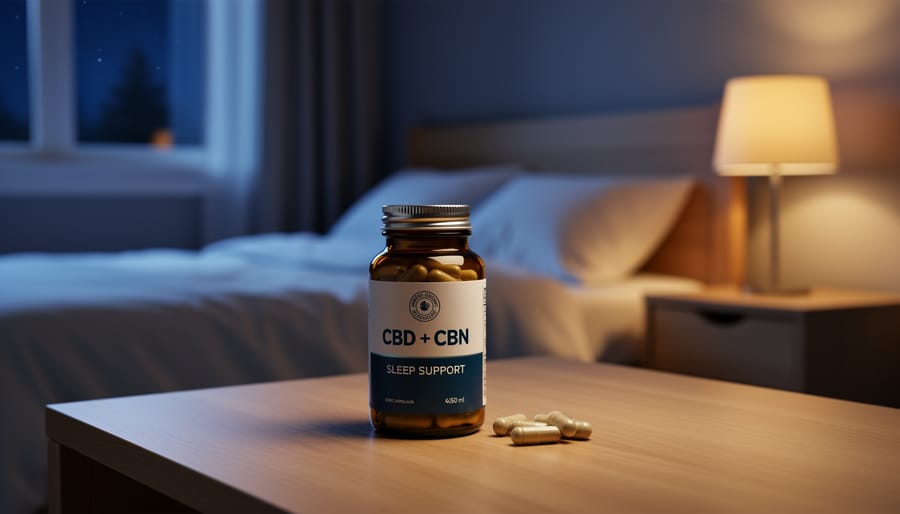
I’ve learned the hard way that even seasoned CBD users can slip up when shopping for gel capsules. The market’s flooded with options, and some brands count on buyers not doing their homework. Here are the traps I see people fall into most often.
The biggest mistake? Skipping the third-party lab test verification. I don’t care how professional the packaging looks or how much the brand talks about quality, if they’re not sharing recent certificates of analysis from independent labs, walk away. These reports tell you exactly what’s in the capsules, including CBD concentration and THC levels. Without them, you’re trusting the marketing team instead of the science.
Another common stumble is assuming all gel capsules are vegan-friendly. Standard CBD gel capsules are made with animal-derived gelatin, which catches a lot of people off guard. If you follow a vegan lifestyle, you need to specifically look for plant-based capsule alternatives. I’ve had friends excitedly order what they thought were vegan capsules, only to realize after delivery that they’d grabbed standard gelatin ones.
People also gloss over THC content, assuming CBD automatically means zero THC. Not true. Full-spectrum and broad-spectrum capsules can contain trace amounts of THC. If you’re subject to drug testing or particularly sensitive to THC, you need CBD isolate capsules specifically, those contain no THC whatsoever. Check the lab reports to confirm.
Don’t forget to look at the actual dosage per capsule, either. A bottle of “CBD capsules” tells you nothing if you don’t know whether each one contains 10mg or 50mg. Comparing products without checking this is like comparing cars without knowing their engine sizes. Calculate the cost per milligram of CBD to find genuine value, not just the cheapest bottle.
Finally, watch out for overblown claims. CBD capsules are used for controlled medicinal purposes and don’t produce psychoactive effects, but any brand promising to cure serious conditions is crossing into dangerous territory. Legitimate companies stick to what CBD can realistically support, not miracle transformations.
Dosage and Usage Tips
When I first started with CBD gel capsules, I made the classic beginner mistake of expecting instant results and wondering if I’d taken enough. Here’s what I’ve learned works better.
Start low and go slow is the golden rule. If you’re new to CBD, begin with 10-15mg daily, which is typically one capsule for most brands. Because CBD capsules don’t cause psychoactive responses, there’s no “high” to gauge your dosage by, you’re looking for subtle wellness effects over time, not an immediate sensation.
Capsules offer a major advantage over oils or vaping: precise, consistent dosing. Each softgel contains the exact same amount of CBD isolate or full-spectrum extract, so you’re not guessing at dropper measurements or how many puffs you’ve taken. This consistency makes it much easier to track what’s working and adjust accordingly.
Take your capsules with food, preferably something containing healthy fats. CBD is fat-soluble, so absorption improves when there’s dietary fat present. I noticed better results when I switched from taking mine on an empty stomach to having them with breakfast or lunch.
Timing matters depending on your goal. For daily wellness support, morning works well. For sleep-related use, particularly CBD + CBN capsules, take them 60-90 minutes before bed. Unlike vaping, which delivers effects within minutes, capsules take longer to kick in, typically 45 minutes to two hours, because they’re processed through your digestive system.
Give it at least a week before increasing your dosage. CBD builds up in your system over time, and its controlled medicinal uses work best with consistent daily intake rather than sporadic high doses. If you’re not seeing results after seven to ten days, try bumping up by 5-10mg increments until you find your sweet spot.
Frequently Asked Questions About CBD Gel Capsules
Will CBD gel capsules make me high?
No, CBD softgel capsules contain almost no THC and do not cause psychoactive responses that make you feel high. Products like Medterra’s CBD isolate capsules contain zero THC, making them particularly suitable if you want to avoid any psychoactive effects entirely.
What’s the difference between isolate and full-spectrum CBD capsules?
CBD isolate contains only pure CBD with no other cannabinoids or THC, while full-spectrum capsules include the full range of cannabinoids, terpenes, and trace amounts of THC from the hemp plant. Full-spectrum products may offer what’s called the “entourage effect,” where compounds work together synergistically, though isolate provides more predictable, focused CBD content.
Are all gel capsules made with animal-derived gelatin?
Most traditional CBD gel capsules are made with animal-derived gelatin, but vegan alternatives exist using plant-based capsule shells. If this is important to you, look specifically for products labeled as vegan or plant-based capsules.
How long does it take to feel the effects of CBD capsules?
CBD capsules typically take 30 to 90 minutes to produce effects because they need to pass through your digestive system before being absorbed. This is slower than oils or vaping, but the effects tend to last longer once they kick in.
How do CBD capsules compare to CBD oil or vaping?
Capsules offer precise, pre-measured doses and no taste or smell, making them convenient for consistent daily use. They take longer to work than vaping or sublingual oils but provide extended effects, and there’s no guesswork with dropper measurements.
I’ve found these questions come up repeatedly with people new to capsules. The gelatin question surprises many buyers who assume all CBD products are automatically vegan-friendly. One reader told me she’d been taking gel capsules for months before realizing they contained animal products, then switched to a vegan full-spectrum option that suited her dietary preferences better.
The timing question is particularly relevant if you’re switching from vaping, where effects are nearly immediate. Capsules require patience. I recommend taking your first dose when you have a couple of hours to observe how your body responds, rather than right before you need the effects. Some people metabolize CBD faster than others, so your personal timing might differ from the typical range.
Choosing the right CBD gel capsules comes down to understanding your own priorities. If you’re concerned about THC content, whether for drug testing, personal preference, or just wanting the purest CBD experience, isolate capsules like those from Medterra offer zero THC and straightforward dosing. For those following a plant-based lifestyle, vegan alternatives using plant-derived capsule materials are increasingly available, though you’ll typically pay a bit more. And if you’re targeting specific wellness goals like better sleep, combination formulas with CBN or other cannabinoids might serve you better than standard CBD alone.
What matters most is starting with quality-tested products from reputable brands that provide third-party lab results. The CBD market has matured significantly, but not all capsules are created equal. Don’t rush the process, take time to read labels, verify THC content matches your needs, and check whether the capsules are gelatin-based or vegan if that’s important to you.
I’ve found that capsules offer one of the most reliable ways to explore CBD, especially when you’re still figuring out your ideal dosage. They’re discrete, consistent, and eliminate the guesswork that comes with oils or other formats. Start conservatively, give your body time to respond, and adjust gradually. The right CBD gel capsule is out there for your specific situation, you just need to know what you’re looking for.