
CBD protein powder combines two recovery essentials into one supplement: plant-based protein for muscle repair and cannabidiol for post-workout inflammation and stress relief. If you’re considering adding it to your routine, you’re looking at a relatively new market category that’s just starting to gain traction in 2026, particularly among fitness-focused CBD brands.
The core question is whether combining these ingredients delivers better value than buying them separately. From my experience testing various CBD supplements alongside traditional protein powders, the convenience factor is real, but only if both components meet quality standards you’d accept on their own. Too many early products in this space cut corners on either the protein content or the CBD quality, leaving you with a mediocre version of both.
Expect to pay around $40-45 for a typical bag, which represents a premium over standard protein powder. That price only makes sense if you’re already using CBD for recovery and want to streamline your supplement stack. The products hitting shelves now vary widely in protein source (hemp, pea, whey isolate), CBD concentration (usually 10-25mg per serving), and third-party testing transparency.
This guide breaks down exactly what separates worthwhile CBD protein powders from overpriced gimmicks. You’ll learn which quality markers matter most, how different product types stack up for specific goals, and the common buying mistakes that waste money in this emerging category. Whether you’re a CBD newcomer curious about fitness applications or an experienced user looking to consolidate supplements, you need a clear framework for evaluating these hybrid products before you commit.
What Makes CBD Protein Powder Different
CBD protein powder brings together two wellness trends in a single formula: hemp-derived CBD and high-quality protein supplementation. Unlike regular protein powders that focus solely on muscle recovery through amino acids, these products add cannabidiol to potentially address post-workout inflammation and stress alongside the standard protein benefits. The combination is a natural fit since many formulations use hemp protein as the base, sourcing both the protein and CBD from the same plant.
What sets these products apart from standalone CBD oils or tinctures is the integrated delivery method and purpose. Instead of taking CBD separately for wellness and protein for recovery, you’re getting both in your post-workout shake. The protein component provides the building blocks for muscle repair, while the CBD is positioned to support the body’s recovery processes through different pathways.
Sport-focused brands are starting to offer these products as the CBD wellness market matures and athletes look for streamlined supplement routines. As a relatively new market entry in 2026, the category is still establishing itself, which means formulations vary widely. Some products feature low CBD concentrations that barely distinguish them from regular hemp protein, while others provide substantial amounts designed to deliver noticeable effects alongside the protein content. Understanding this range is crucial before you buy, since not all CBD protein powders deliver the same value proposition or quality standards.
Key Factors to Consider When Buying
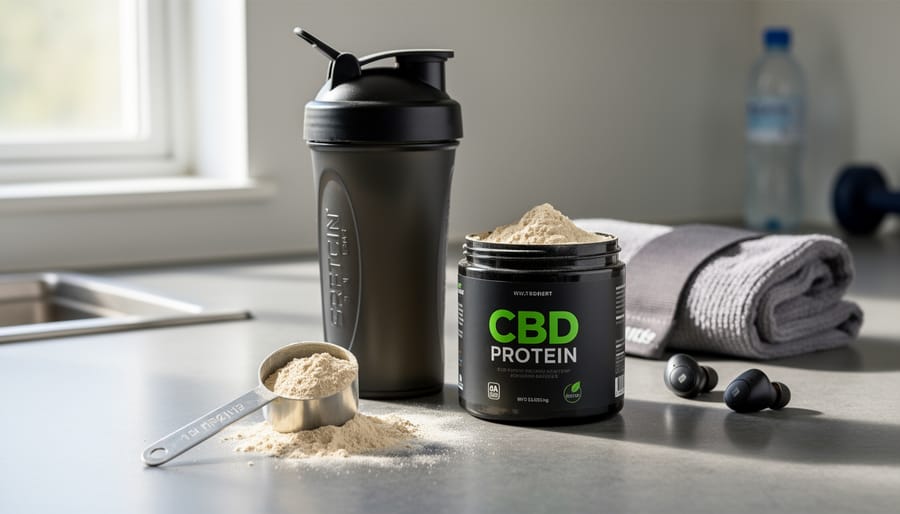
CBD Source and Concentration
The CBD in your protein powder matters just as much as the protein itself. Hemp source determines both quality and legality, look for products made from domestically-grown hemp, which tends to come with better traceability and stricter cultivation standards. The extraction method affects purity and potency: CO2 extraction is the gold standard because it avoids chemical solvents and preserves beneficial compounds, while cheaper alcohol or solvent-based methods can leave residues or degrade the CBD.
You’ll encounter two main CBD types in protein powders. Full-spectrum CBD contains the complete range of cannabinoids, terpenes, and trace THC (under 0.3%), which many users prefer for the “entourage effect”, the theory that these compounds work better together. CBD isolate is pure CBD with everything else removed, ideal if you want to avoid any THC or prefer a neutral flavor profile. Some products use broad-spectrum CBD, which sits between the two: it includes other cannabinoids but removes THC entirely.
Typical CBD concentrations in protein powders range from 10-25mg per serving, though this varies widely. Check the label for the exact amount, “contains CBD” isn’t enough information. A 15mg serving is considered moderate for daily wellness use, while 25mg leans toward post-workout recovery support. Higher isn’t always better; it just affects cost and intensity.
Third-party lab testing is non-negotiable. Reputable brands provide certificates of analysis (COAs) that verify CBD content, confirm THC levels stay legal, and screen for contaminants like heavy metals, pesticides, and residual solvents. If you can’t find a COA easily on the brand’s website or by scanning a QR code on the package, keep shopping.
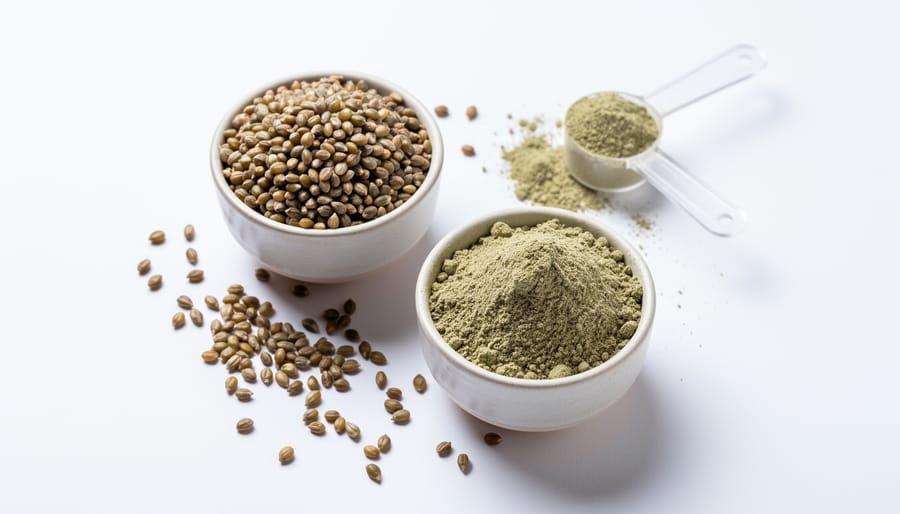
Protein Type and Quality
The protein source in your CBD protein powder matters as much as the CBD itself. While these products are just starting to pop up, manufacturers are already experimenting with different protein bases, each bringing distinct benefits and drawbacks to the formula.
Hemp protein stands out as the most natural pairing for CBD products since both come from the same plant. It delivers a complete amino acid profile with roughly 15-20 grams of protein per serving, along with fiber and omega fatty acids. The earthy flavor meshes well with CBD’s natural taste, though some find it grittier than other options. Hemp protein digests moderately well but can cause bloating in sensitive users.
Whey protein isolate offers the highest biological value and fastest absorption, making it ideal for immediate post-workout recovery. When paired with CBD, you get rapid protein delivery alongside the cannabinoid’s potential anti-inflammatory effects. Expect 20-25 grams of complete protein per serving, but skip this option if you’re lactose-intolerant or plant-based.
Pea protein has emerged as a popular plant-based alternative, providing 18-22 grams of protein per serving with solid digestibility and a neutral flavor that masks CBD’s earthiness. It’s rich in branched-chain amino acids, particularly arginine, which supports muscle recovery. Rice protein blends sometimes appear in CBD formulas, though they typically need complementary protein sources to deliver a complete amino acid profile.
| Protein Source | CBD Compatibility | Best Use Case | Protein Per Serving |
|---|---|---|---|
| Hemp Protein | Excellent (same plant source) | Whole-food nutrition, fiber needs | 15-20g |
| Whey Isolate | Good (fast absorption) | Muscle building, quick recovery | 20-25g |
| Pea Protein | Good (neutral flavor) | Plant-based athletes, easy digestion | 18-22g |
| Rice Protein | Fair (needs complementary sources) | Allergen-free formulas | 15-18g |
Check the ingredient label for protein concentration per serving and the amino acid breakdown if listed. Quality formulas will specify whether the protein is isolated, concentrated, or in whole-food form. Since sport-focused brands are leading this emerging category, many prioritize protein quality alongside CBD content rather than treating protein as an afterthought.
Additional Ingredients and Flavoring
Beyond CBD and protein, the supporting ingredients separate thoughtful formulations from filler-heavy products. Sweeteners vary widely, some brands use stevia or monk fruit for clean sweetness, while others rely on artificial options like sucralose or acesulfame potassium. Check the ingredients list: quality products typically use natural sweeteners and keep added sugar minimal.
Many CBD protein powders now include functional add-ins. BCAAs (branched-chain amino acids) support muscle recovery, making them a logical pairing with protein. Adaptogens like ashwagandha or rhodiola complement CBD’s calming properties for stress management. MCT oil sometimes appears for enhanced CBD absorption, though it adds calories.
Watch out for unnecessary fillers, gums, thickeners, and artificial colors that bulk up the formula without adding nutritional value. A shorter, cleaner ingredient list generally signals a quality product. The flavoring approach matters too: natural vanilla or chocolate extracts produce better taste than synthetic flavors, though they cost more to source.
If you see ingredients you can’t pronounce filling the middle of the list, or if sugar appears in the top five ingredients, you’re likely looking at a filler-heavy formulation designed to mask cheap protein with sweetness and texture additives.
Price and Value
CBD protein powders command a premium over standard protein supplements, and understanding the pricing landscape helps you determine what’s actually worth the investment. This category is just starting to pop up, especially in product lines from sport-focused brands, which means prices haven’t fully stabilized yet.
A realistic baseline comes from Pure Life Hemp Protein Powder, which retails at $44.98 for a single bag. That same brand offers volume discounts: two bags drop to $40.98 each, and three bags go down to $36.68 each. These bulk pricing tiers are common in the supplement space and can make a noticeable difference if you’re planning regular use.
When evaluating cost per serving, look beyond the sticker price. Check how many servings the container provides and calculate the actual daily cost. A $45 product might seem expensive until you realize it delivers 30 servings with meaningful CBD content per scoop, while a cheaper option might require double servings to match the same protein and CBD levels.
Fair value in this emerging category means paying for verifiable quality: third-party tested CBD, complete protein profiles, and clean ingredient lists. You’re essentially combining two supplements into one, so compare the cost against buying quality protein powder and CBD separately. If the combined price is comparable or lower, and the formulation is solid, you’re getting decent value.
Types of CBD Protein Powder Compared
The CBD protein powder market breaks down into three main categories, each with distinct formulations and trade-offs. Understanding these differences helps you match the product to your specific goals, whether you’re prioritizing plant-based nutrition, muscle building, or comprehensive recovery support.
All-Hemp Formulas (CBD and Protein from Hemp)
These products derive both the CBD and protein from the same hemp plant, creating a fully plant-based option. The hemp protein typically provides 15-20 grams per serving with a complete amino acid profile, while CBD content ranges from 10-25mg. The advantage here is ingredient simplicity and consistency, you’re getting everything from a single, traceable source. The downside? Hemp protein has a grittier texture and earthier taste than other protein sources, which some users find challenging even with flavoring. These formulas work best if you’re committed to plant-based nutrition and want a straightforward, vegan-friendly option without worrying about multiple ingredient sources.
CBD-Infused Whey or Plant Protein Blends
This category adds CBD isolate or broad-spectrum CBD to established protein bases like whey concentrate, pea protein, or rice protein blends. You’ll typically find 20-30 grams of protein per serving with 10-20mg of CBD added separately. The benefit is flexibility, you get the muscle-building advantages of whey (or the digestibility of pea protein) combined with CBD’s recovery properties. These formulas usually taste better and mix smoother than all-hemp versions. However, they’re more expensive since you’re paying for premium protein plus CBD, and the ingredients come from different supply chains, which can complicate quality verification if you want to research both the CBD source and protein origin.
Recovery-Focused Formulas with Added Ingredients
Sport-focused brands have started creating comprehensive recovery products that combine CBD and protein with targeted additions like BCAAs, adaptogens (ashwagandha, rhodiola), turmeric, or tart cherry extract. These formulas position CBD as one element in a broader recovery strategy rather than the main feature. The protein content varies (15-25 grams), and CBD amounts tend toward the lower end (10-15mg) since the formula relies on multiple active ingredients working together. The advantage is convenience, one shake addresses multiple recovery needs. The drawback is complexity: more ingredients mean more potential allergens, higher cost, and difficulty isolating which components actually benefit you. These products also make direct comparisons to simpler formulas challenging, since you’re not comparing apples to apples when evaluating value. For reference on how CBD product pricing works across different formulations, check our CBD pricing guide.
Quick reference for choosing your type:
- All-hemp formulas: Best for vegan users prioritizing ingredient transparency and plant-based nutrition
- CBD whey or plant protein blends: Best for muscle building when you want familiar protein quality with added CBD benefits
- Recovery formulas: Best for athletes seeking an all-in-one post-workout solution and willing to pay a premium for convenience
Consider also that some recovery formulas include CBN alongside CBD for enhanced relaxation and sleep support. Understanding the difference between cannabinoids matters when evaluating these products, our CBD vs CBN guide explains how each compound works differently in recovery contexts. Your choice ultimately depends on whether you value formulation simplicity, protein quality, or comprehensive ingredient stacking, and how those priorities align with your budget and taste preferences.
Best Options for Different Needs
Choosing the right CBD protein powder depends on what you’re trying to accomplish. Here’s what to prioritize based on your specific goals.
For Muscle Recovery and Performance
If building muscle is your primary aim, protein quality matters more than CBD concentration. Look for products with at least 20 grams of complete protein per serving and a solid amino acid profile. Whey-based options with added CBD tend to offer the most comprehensive amino acid coverage, though hemp protein formulas deliver decent results if you prefer keeping everything from one plant source. The CBD component here acts as a recovery booster rather than the main event. Expect to pay premium prices, these sport-focused formulas often run $40-45 per container, reflecting both the CBD addition and higher-quality protein sources.
For Post-Workout Inflammation
Recovery-focused users dealing with joint discomfort or training soreness should prioritize CBD concentration over protein type. Look for products offering 25-50mg of full-spectrum CBD per serving, as this range aligns with amounts shown to support recovery in CBD for inflammation research. Third-party testing becomes non-negotiable here, verify the actual CBD content matches label claims. Some formulas add turmeric or BCAAs alongside CBD, which may enhance the anti-inflammatory angle, though you’ll pay extra for these stacked ingredients.
For Plant-Based Nutrition
Hemp protein with naturally occurring CBD offers the most straightforward plant-based option. These all-in-one formulas keep everything derived from hemp, appealing if you want minimal processing. Protein content typically sits lower (15-18 grams per serving) compared to isolated protein sources, and the earthy flavor can be polarizing. Check whether the product uses CBD isolate added to hemp protein or relies on naturally CBD-rich hemp, the distinction affects both price and the entourage effect you might experience.
For First-Time CBD Users
Start with lower CBD concentrations (10-15mg per serving) to gauge your response before investing in higher-dose products. Hemp protein formulas work well here since they’re generally less expensive than whey-based options with added CBD isolate. Sport-focused brands entering this space in 2026 often position these gentler formulas as entry points, letting you test both the protein quality and CBD effects without major financial commitment.
Common Mistakes to Avoid
Shopping for CBD protein powder comes with unique pitfalls because you’re evaluating two product categories at once. The biggest mistake? Skipping third-party lab verification entirely. With this emerging category, you can’t assume quality standards are consistent across brands, verify that independent testing confirms both CBD concentration and the absence of contaminants like heavy metals or pesticides. The lab report should match the batch number on your container.
Another common error is thinking all hemp protein contains CBD. Hemp seeds used for standard protein powder are CBD-free, so unless the label explicitly lists CBD content with milligrams per serving, you’re buying regular hemp protein at a premium price. Don’t confuse “hemp-derived” with “CBD-infused.”
Many buyers overpay for products with negligible CBD concentrations. A powder with 5mg of CBD per serving might not deliver meaningful effects, yet it’ll cost significantly more than quality protein without CBD. Compare the CBD-per-dollar ratio across products, as the market develops in 2026, pricing varies wildly.
The flip side matters too: don’t ignore protein quality just because a product has high CBD content. Check the amino acid profile, protein source, and digestibility. A supplement with 25mg of CBD but inferior protein won’t support your recovery goals effectively.
Finally, resist buying without reading actual ingredient lists. Some formulas pad the mix with fillers, artificial sweeteners, or proprietary blends that hide low-quality components. You’re investing in recovery and wellness, demand transparency from brands entering this space.
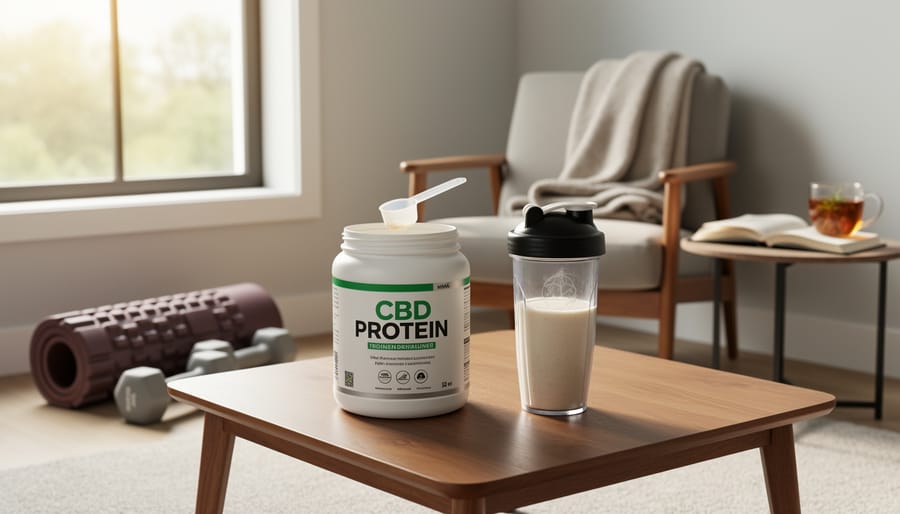
How to Use CBD Protein Powder Effectively
Start with one scoop mixed into 8-12 ounces of liquid within 30 minutes post-workout when your muscles are primed for protein absorption. Most CBD protein powders blend best in a shaker bottle with water, milk, or plant-based alternatives, shake vigorously for 20-30 seconds to avoid clumps. If you’re using hemp protein with CBD, expect a slightly earthier taste than whey; adding a banana or berries to a blender can help.
For timing, post-workout use targets both muscle recovery through protein and potential inflammation response from CBD. Some users take a serving daily even on rest days to maintain consistent CBD intake, treating it like any other supplement routine. Serving sizes typically range from 20-30 grams of protein per scoop, with CBD content varying widely by product, check the label to understand what you’re actually getting.
Set realistic expectations: you’ll notice the protein benefits (reduced soreness, improved recovery) within a few days to a week, similar to any quality protein supplement. CBD effects are subtler and more individual, some people report feeling less post-workout stiffness or better sleep, while others notice minimal difference beyond the protein component itself. It’s not a magic formula, and the CBD amounts in most protein powders are moderate compared to dedicated tinctures or oils.
Don’t double up on protein servings to get more CBD, that’s inefficient and potentially wasteful. If you want higher CBD doses, separate products give you better control and value.
Frequently Asked Questions
Will CBD protein powder make me fail a drug test?
Full-spectrum CBD products can contain trace amounts of THC (up to 0.3% legally), which might trigger a positive result on sensitive drug tests with regular use. If you’re subject to workplace drug testing, look for CBD isolate-based protein powders or stick with THC-free options, though even these aren’t guaranteed risk-free.
How does it taste compared to regular protein powder?
Hemp-based CBD protein powders tend to have a nuttier, earthier flavor than whey or flavored plant proteins, some people love it, others find it takes getting used to. CBD-infused versions of traditional protein powders usually taste like their non-CBD counterparts since the CBD amount is relatively small and often masked by flavoring.
Is the premium price worth it?
That depends on whether you value the convenience of combining supplements and whether CBD’s recovery benefits matter to you. You’re typically paying more than buying protein powder and CBD separately, but if you’d use both anyway, the all-in-one format can make sense, just make sure you’re getting quality CBD with third-party testing, not paying extra for minimal amounts.
How quickly will I notice effects?
The protein benefits work like any protein supplement, supporting recovery over consistent use, while CBD’s effects vary widely between individuals. Some people report feeling less post-workout soreness within a few days, while others notice subtle changes after a few weeks; don’t expect dramatic overnight results from either component.
Should beginners start with CBD protein powder or separate products?
If you’re new to both CBD and protein supplementation, starting with separate products lets you gauge how each affects you individually and find your ideal doses. Once you know what works, combining them makes more sense, but if you’re already comfortable with regular protein powder and just curious about adding CBD to your recovery routine, jumping straight to a combo product is fine.
Understanding the difference between CBD vs THC is especially important when choosing CBD protein powders, since that trace THC content in full-spectrum products is what creates drug test concerns. The amounts are small enough that you won’t feel any psychoactive effects, but they can still show up in sensitive testing.
Since these products are just starting to pop up in sport-focused brand lines as of 2026, you’ll see a lot of variation in quality and formulation. Don’t assume every hemp protein powder contains CBD, many are just hemp-derived protein without added cannabinoids, and always verify exactly what you’re getting through third-party lab reports before committing to a purchase.
CBD protein powder sits at an interesting crossroads of the wellness world we’ve been watching evolve. It combines two powerful recovery tools in one scoop, but as with any emerging category just starting to pop up in sport-focused brand lines, not all products deliver equal value. The key is knowing what separates a well-formulated product from one that’s simply riding the trend.
Start with the fundamentals: verify third-party testing for both CBD content and purity, check the protein source quality, and confirm the CBD concentration justifies the price premium. Whether you’re drawn to these products for post-workout inflammation support, as part of a broader CBD routine that might also include CBD and sleep support, or simply curiosity about how CBD fits into athletic recovery, quality always trumps marketing claims.
This category will likely expand as more brands refine their formulations. For now, approach it as you would any supplement purchase: do your homework, start conservatively, and pay attention to how your body responds. The intersection of CBD applications and fitness nutrition continues to offer new possibilities worth exploring thoughtfully.