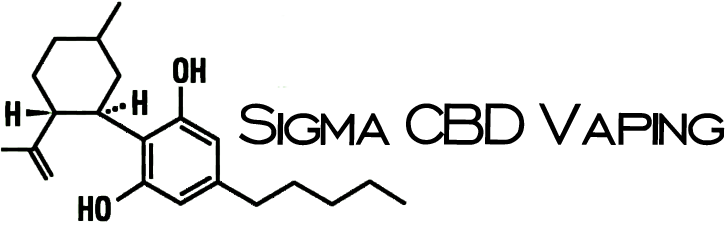
CBD stands for cannabidiol, one of the many naturally occurring compounds found in the hemp and cannabis plant. That’s the whole answer, and if you spotted those three letters on a product label or in a note and just wanted a quick definition, you’ve got it.
Here’s where it gets a little more useful. CBD is one of those abbreviations that shows up everywhere once you start noticing it: on tincture bottles, vape cartridges, gummies, and in plenty of articles. Alongside it, you’ll often see other short forms like THC, mg, and ml, and they each mean something different. Mixing them up is easy, especially when you’re new.
I remember my first time browsing a CBD shelf and squinting at a label full of letters, wondering what half of them meant. A plain-language breakdown would have saved me some guesswork.
Below, I’ll walk through what CBD means, how the related abbreviations work, and how to read them on CBD oil and vape products. One quick safety note first: check product labels carefully, and talk with a healthcare professional before trying CBD, especially if you take medication or have a health condition.
CBD Medical Abbreviation: What Cannabidiol Actually Means
Where the Name Comes From
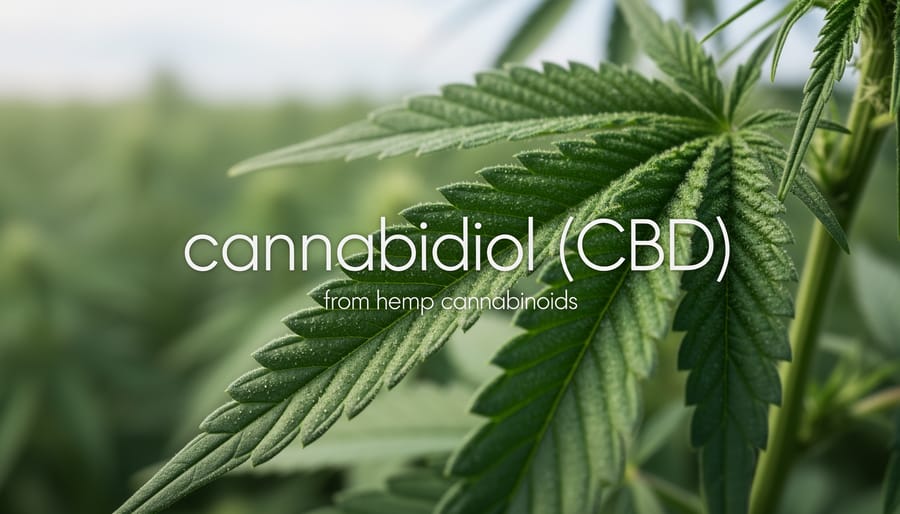
The name looks technical, but it breaks down simply. Cannabidiol is a cannabinoid which is the name for the group of naturally occurring compounds found in the cannabis plant. The word itself is just “cannabis” plus the chemical ending “-diol,” a tag chemists use to describe the molecule’s structure.
Say “cannabidiol” a few dozen times in a lab report or a product description and you’ll understand why shorthand took over. Researchers started using CBD in papers and summaries because it’s quick and unambiguous. Brands picked it up for the same reason, plus it fits neatly on a small bottle label.
So when you see those three letters, you’re simply reading the shortened name of one specific compound.
CBD vs. THC: Clearing Up the Mix-Up
It’s easy to see why these two get mixed up. Both are three-letter abbreviations, both come from the cannabis plant, and both show up on the same shelves, sometimes on the same label. But they aren’t the same compound.
THC stands for tetrahydrocannabinol, and it’s the cannabinoid associated with the intoxicating “high” that cannabis is known for. CBD, short for cannabidiol, is a different molecule that doesn’t produce that same effect. If you’ve ever wondered about CBD vs getting high, our CBD vs getting high guide breaks it down in plain language.
Here’s a habit that helps when you’re shopping: check the label for both numbers. Many CBD products list a THC amount alongside the CBD amount, and some say “THC-free” or note that they’re made from hemp. Seeing both on the label means you know exactly what’s in the bottle, and that clarity is what makes the abbreviations worth learning.
Other Abbreviations You’ll See Next to CBD on Labels
Why the COA Matters More Than Any Abbreviation
A certificate of analysis, or COA, is a lab report from an independent third-party testing facility. It shows what’s really inside a batch of CBD oil or vape liquid, and that matters more than any abbreviation on the front of the bottle. A solid COA typically confirms the cannabinoid content, so you can see whether the CBD amount matches the label. It often screens for contaminants like heavy metals, pesticides, residual solvents, and mold, and it should also list THC levels.
I learned this the hard way. A few years back, I was about to try a new tincture from a brand I’d never heard of. The label looked great, but something nudged me to hunt down the COA. The batch number on the report didn’t match my bottle, and the lab wasn’t one I could verify. I passed on it and went with a brand that made current, batch-specific results easy to find.
When you check a COA, match the batch number to your product, confirm the date is recent, and look for an independent lab name. Reputable brands make this simple, often with a QR code on the packaging.
How the CBD Abbreviation Shows Up in CBD Oil and Vaping Products
Reading a CBD Oil Label Without the Confusion
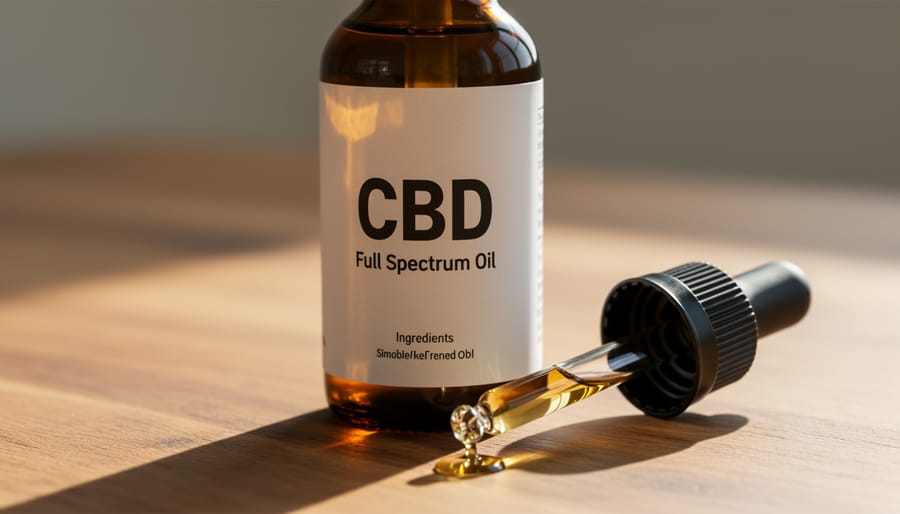
Start with the number that trips up most people: CBD per bottle versus CBD per serving. The bottle total, say 1000 mg, tells you how much CBD is in the whole container. The serving size tells you what you’d actually take in one dose, usually found by dividing the total by the number of servings (a 30 mL bottle with 30 servings gives roughly 33 mg each). Always check both, since the big number on the front can look more impressive than it really is.
Next, scan the ingredient list. A simple carrier oil like MCT or hemp seed oil is common, and shorter lists are easier to understand. If you’re sensitive to anything, this is where you’ll spot it. The same goes if you ever plan to buy CBD gummies since sweeteners and flavorings show up here too.
Finally, find the batch number. It links your bottle to a specific production run and its lab results, so you can match it to the COA. If a label has no batch number at all, I treat that as a yellow flag and look elsewhere.
Staying Safe When Vaping CBD
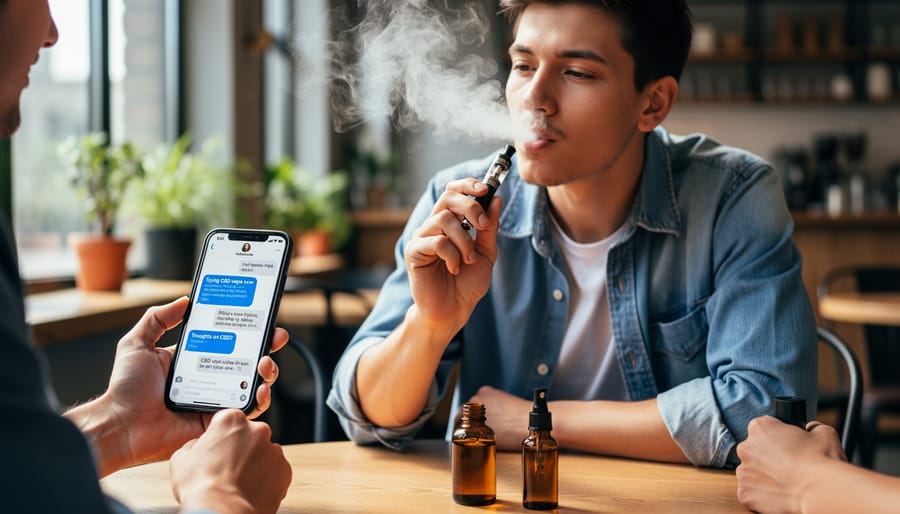
When it comes to vaping CBD, a few simple habits go a long way. Start with where you buy. Stick with reputable brands that publish third-party lab results, because that paperwork is your best sign that what’s on the label is actually in the cartridge. Your vape oil choices matter more than most people expect, so it’s worth taking a minute to check before you click buy.
Steer clear of unlabeled or unregulated cartridges, especially ones with no brand name, batch number, or ingredient list. If you can’t tell what’s inside, skip it. No deal is worth the guesswork.
Next, follow the instructions that come with your device and your product. Use the charger and battery the manufacturer recommends, and don’t mix random coils or cartridges with hardware they weren’t made for.
Finally, go easy and pay attention to how you feel. If you have a health condition or take medications, it’s smart to talk with a healthcare professional first. Being careful isn’t being overcautious, it’s just good habits.
Common Questions About the CBD Abbreviation and CBD Oil
What does CBD stand for?
CBD stands for cannabidiol, a naturally occurring compound found in the cannabis plant, including hemp. It’s the shorthand you’ll see on CBD oil bottles, vape cartridges and in research summaries.
Is CBD the same as THC?
No. They’re two different cannabinoids, and THC is the one associated with intoxication. The abbreviations look alike, which is why people mix them up, so check the label for both.
Does CBD get you high?
CBD on its own isn’t considered intoxicating. That said, some products contain trace amounts of THC, so it’s worth reading the label and the lab report rather than assuming.
Where can I verify what’s in my CBD product?
Look for a third-party certificate of analysis (COA), often reachable through a QR code or the batch number on the packaging. It shows the cannabinoid content and whether the batch was tested for contaminants.
One more thing that trips people up is the difference between CBD oil and hemp seed oil. They aren’t interchangeable. Hemp seed oil is pressed from the seeds and generally contains little to no CBD, while CBD oil is made from other parts of the plant. If the label doesn’t clearly list a CBD amount in milligrams, you’re probably not holding what you think you are.
So, to wrap it up: CBD stands for cannabidiol, and knowing that one little abbreviation makes labels a lot less intimidating. Once you can decode the rest, from milligrams per bottle to batch numbers, you’re shopping with confidence instead of guesswork.
Before you buy anything, read the label closely and check the third-party lab results. A trustworthy brand won’t make you hunt for them. And if you take medications or have a health condition, a quick chat with your healthcare professional is always worth it.
Ready to keep learning? Our Vena CBD review is a good place to start, and our safe vaping resources are just a click away.