Recognize that every time someone raises an eyebrow at your CBD use, they’re actually revealing one of six core social needs that Chase Hughes identified through years of behavioral psychology research. Understanding these needs transforms awkward conversations about CBD from defensive exchanges into opportunities for genuine connection.
Frame your CBD discussions around acceptance rather than correction. When your skeptical colleague questions your lunchtime CBD tincture, they’re often expressing their need for certainty and belonging within their social group. Instead of launching into cannabinoid science, acknowledge their perspective first, then share your personal experience with how CBD helps you manage stress during deadline crunches.
Study the specific language patterns that trigger each social need. Hughes discovered that people make decisions based on whether their six fundamental needs are being met or threatened. For CBD users, this means recognizing when someone’s resistance stems from their need for significance (wanting to be right about their anti-CBD stance) versus their need for variety (genuine curiosity about alternatives to traditional wellness approaches).
Practice identifying which need dominates in real-time conversations. I’ve noticed that family members often operate from a need for certainty and connection when they express concern about CBD use. They’re not attacking your choices; they’re seeking reassurance that you’re safe and still part of their tribe. Responding with evidence-backed insights about third-party testing and proper dosing addresses their certainty need while maintaining relational bonds.
Master these six social needs and you’ll navigate CBD stigma with confidence, turning skeptics into curious learners through strategic empathy rather than confrontation. The framework works because it meets people where they actually are, not where we wish they’d be.
Who Is Chase Hughes and Why His Research Matters to CBD Users
I’ll never forget the first time I vaped CBD in public. I was sitting outside a coffee shop, taking a few pulls from my vape pen to ease some afternoon anxiety, when a woman walked past and gave me that look. You know the one—the subtle head shake, the pursed lips, the assumption that I was “one of those people.” It stung, even though I knew I wasn’t doing anything wrong. That moment made me realize how much our social environment affects our CBD experience, which eventually led me to discover Chase Hughes’ work on human behavior.
Chase Hughes is a behavioral psychology expert and former military interrogator who’s spent over two decades studying what makes people tick. He’s the founder of the Behavioral Table, a research and training organization focused on influence, persuasion, and human behavior. Unlike many theorists who stay in the academic realm, Hughes has applied his research in real-world, high-stakes situations where understanding human needs wasn’t just interesting—it was mission-critical.
His framework identifying six fundamental social needs has applications far beyond military or business contexts. For those of us in the CBD community, his research offers something incredibly valuable: a roadmap for navigating the social challenges that come with our choices. Whether you’re explaining to your parents why you vape CBD, dealing with a judgmental coworker, or trying to help a friend understand the difference between CBD and THC, understanding these six social needs can transform difficult conversations into opportunities for connection.
The CBD community faces unique social hurdles. We’re constantly battling outdated perceptions, answering the same misconceptions, and sometimes feeling defensive about our wellness choices. Hughes’ framework gives us a psychological foundation for understanding why people react the way they do and, more importantly, how to engage with them in ways that actually change minds. When you understand what drives human behavior at its core, you stop taking judgment personally and start seeing it as a social need that hasn’t been met—and that’s a game-changer.
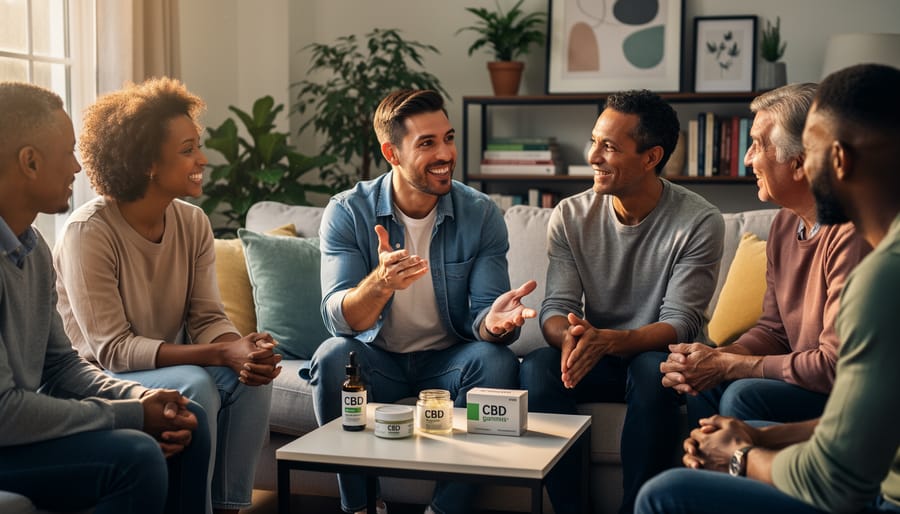
The 6 Social Needs: Your Framework for CBD Conversations
Let me share something I’ve learned through countless awkward conversations about CBD: people aren’t really judging your product choice – they’re responding to whether you’re meeting their fundamental social needs. That’s where Chase Hughes’ framework becomes absolutely game-changing.
Chase Hughes, a behavioral expert who’s trained everyone from intelligence agencies to Fortune 500 companies, identified six core social needs that drive virtually every human interaction. These aren’t complicated psychological theories – they’re basic human requirements we all have, whether we’re talking to our boss, our parents, or that skeptical friend who thinks CBD is “just a trend.”
Here’s what makes this framework so powerful for CBD conversations: when you understand these six needs, you can address the real concerns behind people’s skepticism. Someone who seems judgmental about your CBD use might actually just need to feel significant in the conversation. A family member who dismisses CBD entirely might be craving acceptance for their traditional viewpoint before they can consider yours.
The six social needs are: acceptance, significance, predictability, variety, connection, and contribution. Each one plays a specific role in how comfortable people feel during conversations. When these needs are met, resistance drops. When they’re ignored, even the best evidence-backed information about CBD benefits falls flat.
Throughout my journey with CBD, I’ve watched conversations transform once I stopped trying to “win” arguments and started recognizing what the other person actually needed from our interaction. The science behind CBD matters, but how you make someone feel while sharing that science matters even more.
Need #1: Significance – Being Valued for Your CBD Choices
When I first started using CBD for my anxiety, I quickly realized that talking about it with family felt riskier than the actual products themselves. My mom’s initial reaction – that worried look followed by “Are you sure that’s safe?” – made me understand something crucial: people need to feel that their concerns matter before they’ll value your choices.
This is where Chase Hughes’ first social need comes into play. Significance is about feeling important, valued, and heard. In CBD conversations, this works both ways. Your family members or friends need to feel their worries are legitimate, and you need them to recognize your choice as valid and well-informed.
Here’s what I learned the hard way: launching into a passionate defense of CBD benefits immediately puts people on the defensive. Instead, I started acknowledging concerns first. When my dad questioned my CBD vape use at a family dinner, I didn’t roll my eyes or cite studies right away. I said, “I totally get why you’d be concerned – there’s a lot of confusing information out there, and you care about my health.” That simple acknowledgment changed everything.
By validating their significance – making them feel heard and important – I created space for them to listen to my perspective. Then I could share my research, my careful product selection process, and the genuine improvements I’d experienced with sleep and stress management.
The flip side matters too. You deserve to feel significant in your own health choices. When discussing CBD, frame your decision as thoughtful and intentional. Share the research you’ve done, mention reputable brands you trust, and explain your specific goals. This isn’t about being defensive – it’s about establishing that your wellness journey has value and deserves respect.
I’ve found that asking questions helps both parties feel significant: “What specifically worries you about CBD?” or “Would you be interested in seeing the lab reports from the company I use?” These questions show you value their input while demonstrating your informed approach. The conversation shifts from confrontation to collaboration, and suddenly, you’re having a real dialogue where everyone feels their perspective matters.
Need #2: Connection – Building Bridges in the CBD Community
Let’s be honest – humans are wired for connection. It’s not just nice to have; it’s essential. Chase Hughes identifies connection as one of our core social needs, and it’s particularly relevant when you’re part of a community that’s still fighting for mainstream acceptance. When I first started vaping CBD, I felt this weird isolation. My close friends didn’t get it, my family raised eyebrows, and I found myself downplaying something that genuinely helped me manage stress. Sound familiar?
The need for connection manifests in two important ways for CBD users. First, there’s the tribal aspect – finding your people who understand the benefits without judgment. I remember discovering my first CBD vaping forum and feeling this rush of relief. Finally, people who spoke my language! We shared experiences about different strains, discussed carrier oils, and swapped stories about navigating social situations. That sense of belonging transformed my relationship with CBD from something I did privately to something I could actually discuss openly with like-minded folks.
But here’s where it gets interesting: connection isn’t just about finding your tribe. It’s also about building bridges with skeptics. When Chase Hughes talks about connection, he emphasizes creating common ground rather than division. Instead of approaching conversations about CBD vaping defensively – which I definitely used to do – try finding shared values with non-users. Maybe you both care about natural wellness approaches, stress management, or just making informed choices about what goes into your body.
The key is making skeptics feel included in the conversation rather than alienated by it. I’ve learned to ask questions: “What have you heard about CBD?” or “Are you curious about why it works for some people?” This creates space for dialogue instead of debate. You’re not trying to convert anyone; you’re simply opening a door for connection based on mutual respect and curiosity.

Need #3: Freedom – Respecting Autonomy While Sharing CBD Benefits
Here’s something I learned the hard way: the fastest way to turn someone off CBD is to become the pushy evangelist who won’t shut up about it. We’ve all met that person, right? Whether it’s about crossfit, veganism, or their new cryptocurrency investment, nobody likes feeling pressured into something they haven’t chosen themselves.
This ties directly into what Chase Hughes identifies as the freedom need – our fundamental desire for autonomy and choice. When we feel our freedom is being restricted or someone is trying to control our decisions, we instinctively push back. Psychologists call this “reactance,” and it’s powerful enough to make people reject ideas they might have otherwise considered.
I experienced this firsthand with my friend Marcus. He’d been dealing with sleep issues for months, and I genuinely thought CBD could help based on my own experience. But every time I brought it up, he’d change the subject or make dismissive comments about “snake oil.” The more I shared articles and research, the more resistant he became. I was so focused on being helpful that I completely missed how my enthusiasm felt like pressure to him.
The breakthrough came when I completely backed off. Months later, over coffee, Marcus casually mentioned he’d been researching CBD on his own. Turns out, he’d always been curious but felt defensive because my suggestions felt like I was questioning his judgment about his own health. When I gave him the space to explore it independently, he felt free to make his own decision without it being a referendum on our friendship or his intelligence.
This taught me a crucial lesson about discussing CBD: information empowers, but pressure paralyzes. Instead of pushing, I now share my experience when naturally relevant and then step back. I might say something like, “CBD helped me with similar issues, but everyone’s different. Happy to share what I learned if you’re ever curious.” This approach respects their autonomy while leaving the door open.
The key is presenting yourself as a resource rather than a recruiter. Share evidence-backed information when asked, acknowledge that CBD isn’t right for everyone, and genuinely mean it when you say the choice is theirs. People are far more receptive to ideas they feel they’ve discovered themselves than ones they feel forced to accept.
Need #4: Growth – CBD as a Tool for Personal Development
Here’s the thing about CBD that people often miss: it’s not just about chasing a trend or finding a quick fix. When I first started exploring CBD, I was drawn to the idea of continuous self-improvement, of becoming a better version of myself through intentional wellness choices. This taps directly into what Chase Hughes identifies as our fundamental need for growth.
The growth need centers on our desire to evolve, develop, and optimize ourselves. People are naturally drawn to those who demonstrate commitment to personal development. When you frame your CBD use through this lens rather than purely recreational terms, you’re speaking to something deeply meaningful.
I’ve found that discussing CBD as part of my wellness toolkit completely changes conversations. Instead of saying “I vape CBD to relax,” I might share “I’m exploring CBD as part of optimizing my recovery routine and stress management.” See the difference? One sounds passive; the other suggests active participation in your own development.
From my experience, CBD has genuinely supported several growth areas. I’ve tracked how it affects my sleep quality, monitored its impact on post-workout recovery, and observed patterns in my stress response. This data-driven approach to wellness isn’t just smart; it demonstrates to others that you’re serious about self-optimization.
The evidence backs this up too. Research suggests CBD may support better sleep, reduced inflammation, and improved stress resilience—all factors that contribute to personal growth and performance. When you approach CBD use as an experiment in self-improvement, you’re modeling growth-oriented behavior that others respect.
This framework also helps when talking with skeptics. Rather than defending CBD as a product, you’re sharing your journey of exploration and optimization. You’re demonstrating curiosity, self-awareness, and commitment to evidence-based wellness—qualities that satisfy the growth need in both yourself and your conversation partners.

Need #5: Contribution – Sharing CBD Knowledge Responsibly
Here’s one of the most fulfilling aspects of being part of the CBD community: helping others navigate their own journey. The need for contribution isn’t just about feeling good, it’s a fundamental social driver that Chase Hughes identifies as essential for human connection. When we share what we’ve learned, we create bonds while serving a genuine purpose in others’ lives.
I’ve found that my experiences reviewing CBD products have given me opportunities to contribute in meaningful ways. Whether it’s helping a friend choose their first vape pen or explaining the difference between full-spectrum and isolate to someone at a shop, these moments of sharing knowledge satisfy something deep within us. But here’s the thing: there’s a right way and a wrong way to share CBD insights.
The key is grounding your contributions in evidence. When someone asks about CBD, I often point them toward credible sources like research from Johns Hopkins while also sharing what worked for me personally. I’ll say things like, “Studies suggest potential benefits for anxiety, and I’ve personally found it helps me feel more relaxed in the evenings.”
Your contribution doesn’t need to be grand. Simply being available to answer questions, sharing your favorite trusted brands, or helping someone understand dosing basics can make a real difference. I remember when a coworker was overwhelmed by CBD options, and I spent fifteen minutes walking them through what to look for on labels. That small act of contribution strengthened our connection while helping them feel confident in their choices.
The beauty of fulfilling this need through CBD education is that everyone wins. You satisfy your drive to contribute, others gain valuable insights, and the broader CBD community becomes more informed and responsible.
Need #6: Certainty – Addressing Safety Concerns About CBD Vaping
When I first started vaping CBD, my mom’s worried texts became a daily thing. “Is that stuff even safe?” “How do you know what’s really in it?” Sound familiar? This instinctive need for certainty and safety is fundamental to how we operate as humans, and it’s exactly what Chase Hughes identifies as a core social need we all share.
Here’s the thing: when someone expresses safety concerns about CBD vaping, they’re not trying to rain on your parade. They’re exhibiting a perfectly natural desire for predictability and security. Our brains are literally wired to seek certainty because it kept our ancestors alive. Understanding this helps us respond to skeptics with empathy rather than defensiveness.
The CBD industry has admittedly had some growing pains. Stories about contaminated products or misleading labels have created legitimate concerns. I learned this the hard way when I bought a cheap CBD vape from a gas station early on and had a terrible experience. That uncertainty drove me to become obsessive about research, and honestly, it made me a smarter consumer.
So how do we provide genuine reassurance without sounding dismissive or preachy? Start with transparency. When someone questions CBD safety, I share what I’ve learned about third-party lab testing. Every reputable CBD product should come with a Certificate of Analysis showing exactly what’s inside, including potency levels and proving it’s free from heavy metals, pesticides, and harmful solvents. This isn’t just marketing fluff; it’s verifiable science.
I keep a few COAs saved on my phone from my favorite brands. When my skeptical uncle asked about safety during Thanksgiving dinner, I pulled one up and walked him through it. Seeing actual lab results transformed the conversation from “this seems sketchy” to “okay, you’ve done your homework.”
Addressing concerns about vaping itself is equally important. The lung injury scare from 2019 taught us valuable lessons about the difference between legitimate CBD products and dangerous black market cartridges containing vitamin E acetate. Evidence-backed information matters here. Research shows that properly manufactured CBD vape products, when used responsibly, don’t carry the same risks that caused those health issues.
I’m not here to claim CBD vaping is risk-free because that would be dishonest. We’re still learning about long-term effects, and that’s okay to acknowledge. Providing certainty doesn’t mean pretending we have all the answers; it means being honest about what we know and what we don’t while sharing reliable information about harm reduction.

Applying the 6 Needs: Real-World CBD Conversation Strategies
Now let’s bring everything together with real conversations I’ve had about CBD. Understanding the 6 needs is one thing, but applying them in actual discussions makes all the difference between defensiveness and genuine connection.
| Situation | Needs Being Triggered | Recommended Approach |
|---|---|---|
| Skeptical parent worried about safety | Certainty, Significance | Share research, acknowledge concerns, emphasize quality control measures |
| Curious coworker asking questions at lunch | Connection, Variety, Significance | Share personal experience, invite questions, relate to their interests |
| Judgmental acquaintance making assumptions | Certainty, Significance, Growth | Calmly provide education, share your journey, avoid defensive reactions |
| Friend considering trying CBD | Certainty, Uncertainty/Variety, Growth | Discuss benefits and realistic expectations, suggest starting points, share resources |
The Skeptical Parent Conversation was my toughest challenge. When my mom discovered my CBD vape, she immediately associated it with negative stereotypes. Instead of getting defensive, I tapped into her need for certainty by showing her third-party lab results and explaining the difference between CBD and THC. I addressed her significance need by acknowledging her concerns came from caring about me. That shift from defending myself to validating her position changed everything. Within twenty minutes, she was genuinely curious rather than worried.
With coworkers, I’ve found the connection need matters most. During a particularly stressful project deadline, a teammate noticed my CBD vape and asked about it. Rather than launching into a technical explanation, I shared how it helped me manage work stress without affecting my focus. I invited her questions and related CBD to her existing wellness routine that included chamomile tea and meditation. By making it conversational rather than educational, I satisfied her variety need while building connection through shared experiences.
The judgmental acquaintance scenario happened at a family gathering. A distant relative made a snide comment about “doing drugs.” My instinct was to snap back, but I recognized his certainty need driving that judgment. I calmly explained the legal status, the lack of psychoactive effects, and how CBD supports my wellness routine alongside exercise and healthy eating. I framed it as personal growth rather than recreation, which shifted his perspective from dismissive to respectfully disagreeing but understanding.
Remember, you’re not trying to convert everyone to CBD enthusiasts. You’re simply creating space for understanding by recognizing what drives their questions or concerns. When you address the underlying needs rather than just the surface objections, conversations become collaborative rather than confrontational.
Here’s what I’ve learned from applying Chase Hughes’ 6 social needs to my own CBD conversations: understanding human psychology transforms everything. Instead of feeling defensive when someone questions my CBD use, I now recognize what they actually need in that moment. Are they seeking acceptance? Looking for significance? Do they simply want to feel connected to someone who understands their concerns?
When we shift from pushing CBD products to addressing genuine human needs, something remarkable happens. Those awkward conversations become opportunities for real connection. I’ve watched skeptical family members soften when I acknowledged their concerns instead of immediately launching into CBD benefits. I’ve seen curious friends become advocates themselves once they felt truly heard and valued.
The beauty of this framework is that it works whether you’re discussing CBD with your parents, educating a colleague, or simply navigating social situations where your choices might raise eyebrows. By recognizing that acceptance, significance, predictability, connection, expression, and role fulfillment drive human behavior, you’re equipped to meet people where they are.
I encourage you to practice these principles in your next CBD conversation. Pay attention to which social need surfaces first. Experiment with addressing that need before diving into facts and benefits. You’ll likely find, as I have, that social acceptance of CBD grows organically when we prioritize understanding over convincing. Keep learning, stay curious about both CBD science and human connection, and remember that every conversation is a chance to practice empathy-driven advocacy.